Expert Tips for Cleaning Your Flow Cell HPLC
The Importance of Proper Cleaning of Flow Cells for HPLC
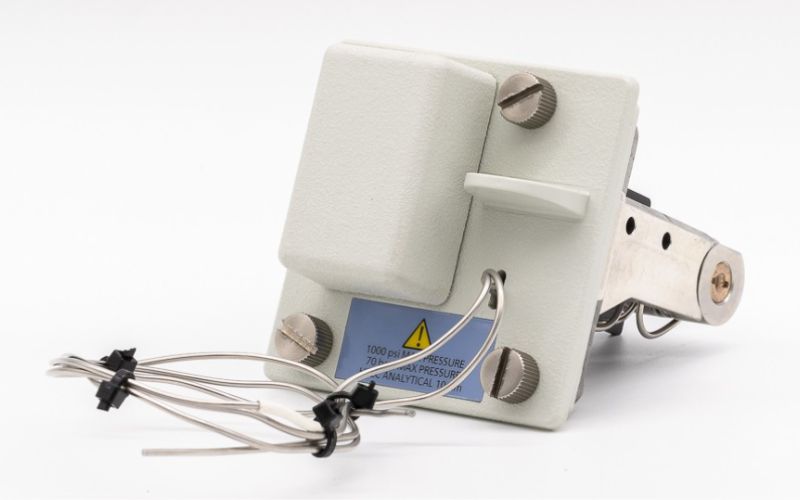
As a scientist or researcher working with high performance liquid chromatography (HPLC), you know the importance of keeping your equipment well maintained. One of the most important components of HPLC is the HPLC flow cell. A flow cell is a small chamber that holds a sample and allows light to pass through it for detection. To ensure accurate and reliable results, it is essential to keep the flow cell clean.
Why clean the flow cell ?
Over time, flow cells may become contaminated with carryover from previous experiments, impurities in the mobile phase or sample, or other sources. This contamination can affect the accuracy and sensitivity of the results. Additionally, if the flow cell is not cleaned regularly, it can become damaged, resulting in costly replacement.
How to Clean a Flow Cell
Cleaning a flow cell is a relatively simple process, but requires attention to detail and proper technique. First, you need to prepare a cleaning solution suitable for your HPLC system. Follow the cleaning solution manufacturer’s instructions, as well as any specific cleaning regimen that applies to your system.
Next, remove the flow cell from the HPLC and carefully disassemble it. Soak the flow cell in the cleaning solution for the recommended time, then rinse thoroughly with deionized water. Always dry the flow cell with a lint-free cloth or wipe.
Tips for Effective Flow Cell Cleaning
To ensure the best results, here are some tips for effective flow cell cleaning:
Clean the flow cell regularly, preferably after each use.
Use an appropriate cleaning solution and follow the manufacturer’s instructions.
Always rinse the flow cell thoroughly with deionized water.
Avoid touching the optical windows of the flow cell with fingers or other materials.
Use only approved cleaning materials.
By following these guidelines, you can keep your HPLC flow cells clean and well maintained, resulting in more accurate and reliable results in your experiments.
In addition to these tips, it is also important to keep track of when to clean and replace flow cells. This record keeping ensures that you clean the flow cell at appropriate intervals and helps you identify any problems that may arise with your HPLC system. It is also important to note that while cleaning the flow cell is an essential maintenance measure, it is not a substitute for regular maintenance of the entire HPLC system.
It is recommended that you follow the manufacturer’s guidelines for regular maintenance, which includes replacing worn parts, checking for leaks, and calibrating your system. Overall, proper cleaning of the flow cell is critical to the success of your experiment.
By following these guidelines and incorporating them into your routine maintenance routine, you can ensure your flow cell is clean and your HPLC system is functioning properly.


Understanding Flow Cells
What is a Flow Cell?
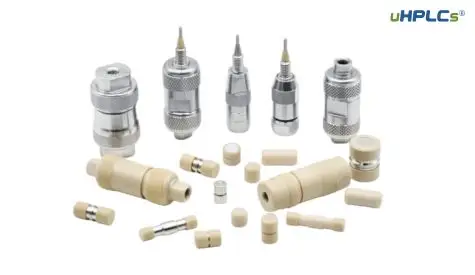
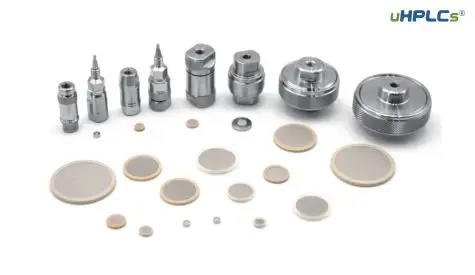
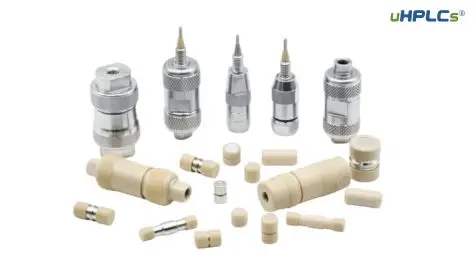
A flow cell is a critical component in High-Performance Liquid Chromatography (HPLC) systems, designed to hold a sample and allow it to interact with a mobile phase. Typically made from materials such as stainless steel, glass, or ceramic, flow cells come in various types, including analytical, preparative, and micro flow cells.
The path length of a flow cell is a key characteristic, as it affects the intensity of light reaching the detector. Longer path lengths result in higher apparent concentrations, which can enhance the sensitivity of your HPLC system. Understanding the specific characteristics of your flow cell, such as cell volume and path length, is essential for optimizing the performance and accuracy of your HPLC analyses.
Importance of Cleaning
Why Clean the Flow Cell?
Cleaning the flow cell is crucial for maintaining the performance and accuracy of HPLC systems. Over time, residues from samples and impurities in the mobile phase can accumulate, leading to contamination. This buildup can reduce the sensitivity of your HPLC detectors and increase back pressure, which can compromise the integrity of your results.
Regular cleaning helps to prevent these issues by removing sample residues and maintaining the flow cell’s optimal performance. Additionally, keeping the flow cell clean ensures the overall hygiene of the system and prevents the growth of microorganisms that could further contaminate your samples.
Pre-Cleaning Checks
Before You Start Cleaning
Before diving into the cleaning process, it’s essential to perform several pre-cleaning checks to ensure safety and effectiveness. Start by turning off the HPLC system and disconnecting the flow cell from the detector. Inspect the flow cell for any visible blockages or debris that could interfere with the cleaning process.
Check the cell volume and path length to ensure they are within the recommended specifications for your system. Finally, consult the manufacturer’s instructions for specific cleaning procedures and recommended cleaning solutions. These pre-cleaning checks will help you carry out a safe and effective cleaning process, ensuring that your flow cell maintains its performance and accuracy.

6.1 Maximum Sensitivity