
Analytical CRO Services
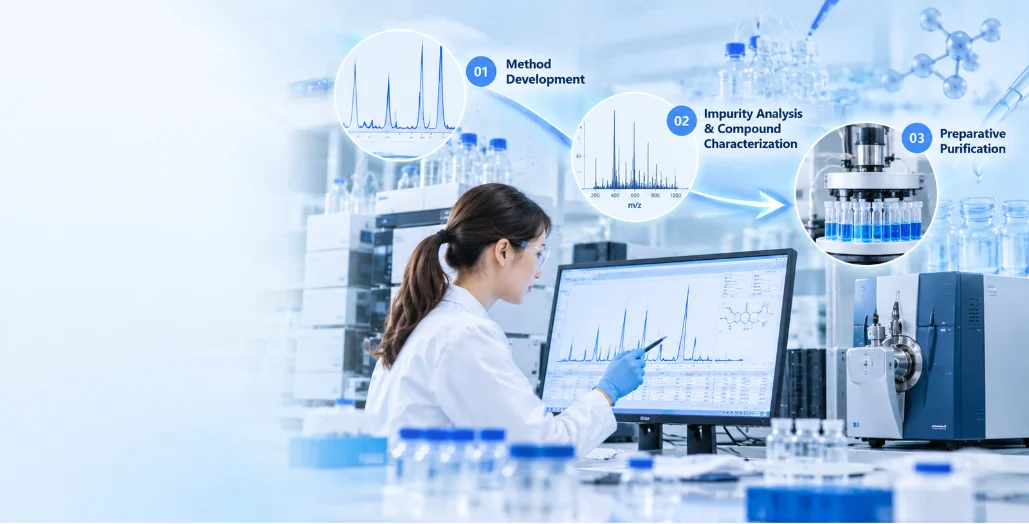
From Method Development to
Compound Purification
Customized analytical chemistry services supporting pharmaceutical, biotechnology and chemical research, from analytical method development and impurity profiling to compound characterization and preparative purification.
What Analytical Challenges Can We Solve?
From difficult separations to unknown impurities, we help research teams address analytical challenges through method optimization, characterization and purification strategies.
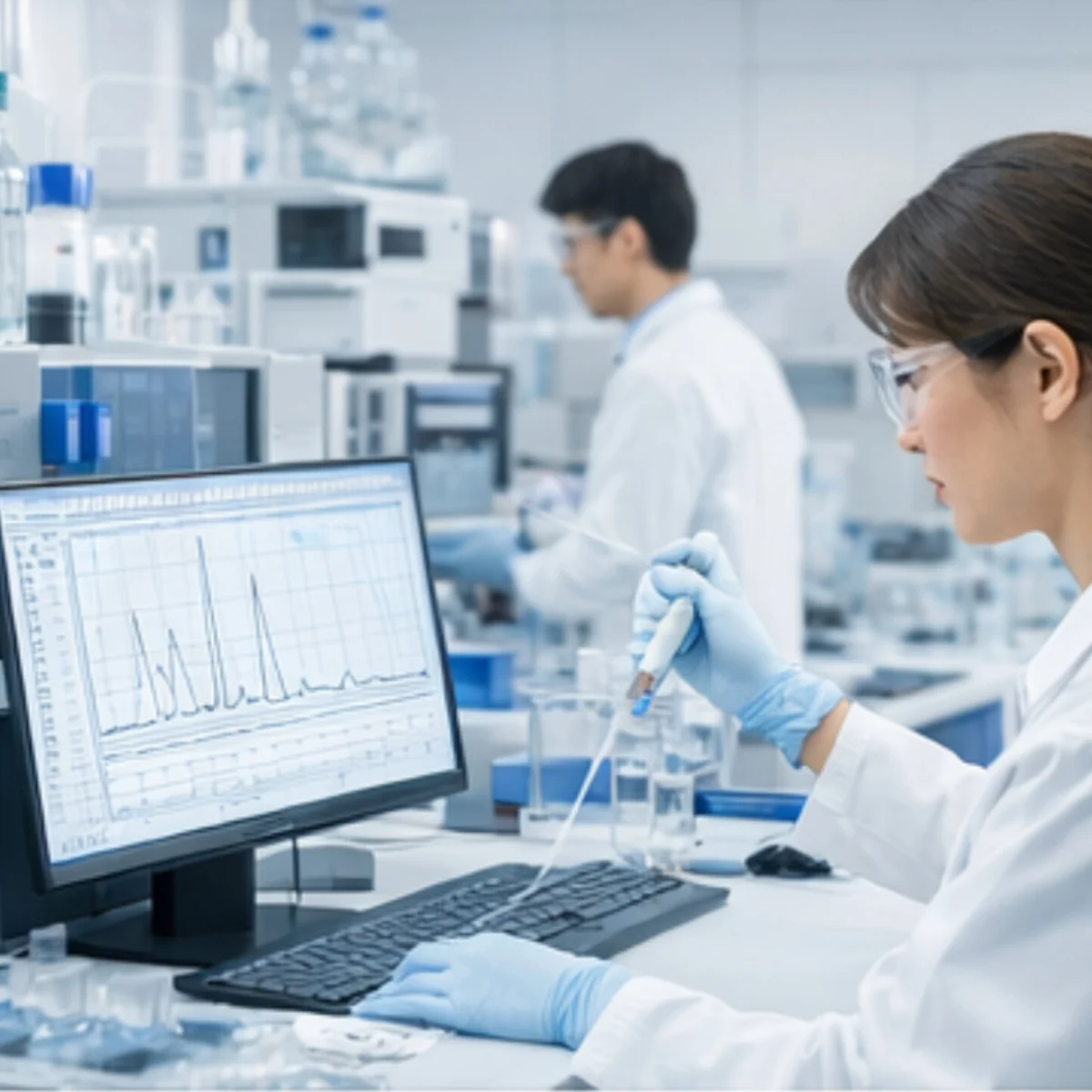
Poor Peak Resolution
Overlapping peaks, co-eluting compounds and complex sample matrices.
Unknown Impurities
Unexpected impurities, degradation products and unknown analytical peaks.
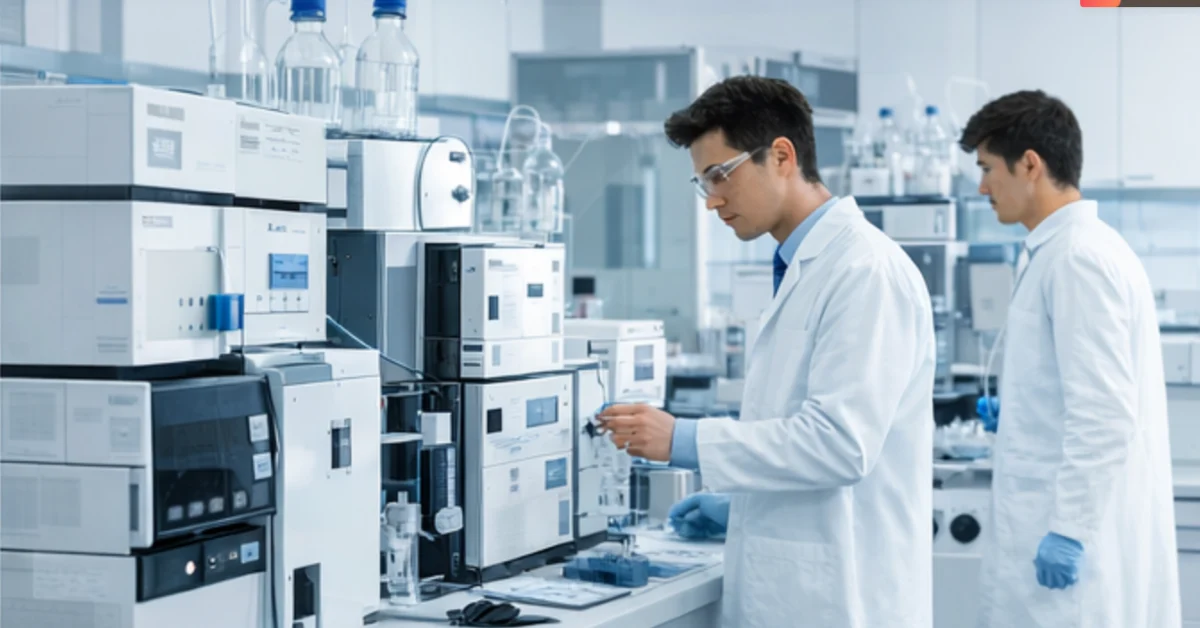
Unreliable Analytical Methods
Challenges with analytical precision, reproducibility, sensitivity and robustness.
Difficult Compound Purification
Low target purity, inefficient separation and sample recovery challenges.
Our Analytical CRO Services
Specialized analytical support for pharmaceutical and chemical R&D, from method development and impurity analysis to compound purification.
Analytical Method Development
Custom HPLC and UHPLC methods for compound separation, identification and quantification.
Analytical Method Validation
Evaluation of analytical method accuracy, precision, specificity and robustness.
Impurity Profiling & Analysis
Detection, separation and characterization of known and unknown impurities.
Preparative HPLC Purification
Isolation and purification of target compounds using preparative chromatography.
Peptide Analysis
Analytical support for peptide purity, characterization and related impurities.
Compound Identification
Analytical strategies for unknown compound identification and characterization.
For technique-by-technique laboratory testing, see Analytical Services. This page is for project-based CRO work.
Not sure which service fits your project?
Talk to Our Analytical Team →Applications & Sample Types
Analytical support for different research applications, compounds and sample types.
Pharmaceutical
APIs, intermediates, formulations and degradation products.
Biopharmaceutical Research
Peptides and other relevant research compounds.
Chemical Research
Organic compounds, synthetic intermediates and complex mixtures.
Environmental & Specialty Samples
Selected environmental and specialty chemical samples, subject to method feasibility.
Application routes are outlined on the Applications page. Acceptance of a sample still depends on the method and the project scope.
Analytical Technologies & Capabilities
Our analytical capabilities combine chromatography techniques, method expertise and data interpretation to support complex research projects.
- HPLC / UHPLCCompound separation and quantitative chromatographic analysis.
- Preparative HPLCIsolation of a target compound when a preparative method is appropriate.
- LC-MS / MSMass-spectrometric support for identification when the project requires it.
- GC / GC-MSVolatile and semi-volatile analysis when gas chromatography is suitable.
- UV / IR SpectroscopySpectral measurements used alongside chromatographic methods.
Technique choice depends on the sample. These methods are already described on the analytical services page and are not used on every project. See Technologies, HPLC Columns and Preparative HPLC Columns.
How We Work With Your Project
A structured analytical workflow, from initial project discussion to technical reporting and follow-up support.
- 01
Project Discussion
Understand your sample, analytical objectives and technical requirements.
- 02
Feasibility Assessment
Review available methods, sample information and project feasibility.
- 03
Method Development & Testing
Develop or optimize analytical conditions and perform agreed testing.
- 04
Results & Reporting
Deliver agreed analytical data, findings and project documentation.
- 05
Follow-up Support
Discuss results, additional analysis and future project needs.
Analytical Case Studies
These cards show the kind of analytical question a project can start with. They are technical examples, not customer project results, and they do not report measured outcomes.
HPLC Method Optimization
Challenge: overlapping peaks or a difficult matrix. Approach: review the separation goal and optimize HPLC or UHPLC conditions before any quantitative conclusion is drawn.
Unknown Impurity Characterization
Challenge: an unexpected peak. Approach: separate the peak and use identification techniques, including LC-MS when the project requires them. Identification is not assumed in advance.
Preparative Purification
Challenge: a target compound that still needs isolation. Approach: confirm an analytical separation, then discuss whether preparative chromatography is a suitable next step.
Why Partner With HIPSOUL?
Connecting chromatography products, analytical methods and purification solutions to support research workflows.
Integrated Chromatography Expertise
Knowledge of chromatography columns, consumables and analytical workflows.
Method-Focused Approach
Analytical strategies tailored to sample characteristics and research objectives.
Analysis-to-Purification Support
Support spanning analytical separation and preparative purification.
Technical Communication
Project-focused discussions and clear technical requirements.
Frequently Asked Questions
What types of samples can HIPSOUL analyze?
Pharmaceutical, biopharmaceutical, chemical and selected specialty samples can be discussed. Acceptance depends on the matrix, the analytical question and whether a suitable method is feasible.
Can you develop a custom HPLC method?
Method development can be discussed for HPLC and UHPLC when the sample information and the analytical goal are defined.
Do you provide analytical method validation?
Method performance can be evaluated for the parameters agreed in the project, such as accuracy, precision, specificity and robustness. This is not a promise of a specific regulatory filing outcome.
Can you identify unknown impurities?
An unexpected peak can be investigated by separation and, where needed, mass spectrometry or complementary techniques. Not every peak can be identified.
Do you support preparative purification projects?
Preparative chromatography can be discussed after an analytical separation is understood and the purification goal is defined.
What information is needed to request a quotation?
Sample type, the analytical objective, any existing method notes, the approximate amount of sample and any timing constraint help the team review the request.
How are project timelines determined?
Timing depends on sample complexity, whether a method already exists and the agreed scope. A date is confirmed only after the project is reviewed.
Can you sign a confidentiality agreement?
A confidentiality agreement can be discussed before sample details or project information are shared.
Discuss Your Analytical Project
Tell us about your sample, analytical challenge and project objectives. Our team can review your requirements and discuss potential analytical approaches.