
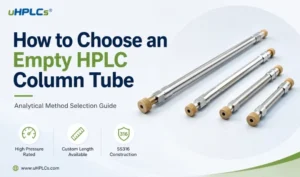
How to Choose the Right Empty HPLC Column Tube ?
How to Choose the Right Empty HPLC Column Tube (ID, Length & Material Guide) Selecting
Home » Amino Acid Reference Standards
Our Amino Acid Reference Standards are designed for accurate quantitative and qualitative analysis in HPLC, UHPLC, and LC-MS applications.
We provide high-purity certified amino acid standards, including both essential and non-essential amino acids, suitable for pharmaceutical quality control, food and nutrition analysis, and biochemical research.
All standards are manufactured under strict quality control and supplied with a Certificate of Analysis (CoA), ensuring traceability, batch consistency, and regulatory compliance.
Key Features:
– High purity (≥ 98–99%)
– Compatible with HPLC, UHPLC, and LC-MS systems
– Available as single standards or mixed calibration solutions
– Excellent stability and reproducibility for quantitative analysis
– Custom preparation available upon request
Applications:
– Pharmaceutical quality control (API & formulation analysis)
– Food and nutrition testing (amino acid profiling)
– Clinical and biochemical research
– Method development and validation
We also support custom amino acid standard preparation tailored to your analytical methods,
concentration ranges, and application requirements.
Get Expert Guidance and Customized Solutions for Accurate Reference Standards

uHPLCs provides a comprehensive portfolio of reference standards, covering:
This wide coverage reduces the need to source from multiple suppliers, ensuring consistency, reliability, and efficiency for laboratories and research facilities.


This flexibility makes uHPLCs an ideal partner for academic labs, pharmaceutical companies, and industrial QC teams.
At uHPLCs, we understand that every laboratory, research project, and industrial application may require unique reference standards beyond standard catalogs. That’s why we provide a tailored Custom Reference Standards Service designed to meet your specific analytical and regulatory needs.

 What We Offer Why Choose uHPLCs Custom Service?


As Follow is Some Frequently Questions People Asked
Amino Acid Reference Standards are high-purity, certified compounds used as calibration and quality control tools in laboratory testing.
They are essential for ensuring accuracy, reproducibility, and regulatory compliance in industries like pharmaceuticals, food, and research.
Analytical Accuracy:
Used to calibrate HPLC, LC-MS, and GC-MS instruments for precise quantification.
Quality Control:
Ensure the identity and purity of amino acids in raw materials and final products.
Regulatory Compliance:
Meet pharmacopeial standards such as USP, EP, JP, and ISO guidelines.
Traceability:
Provide documented proof of testing integrity for audits.
| Industry | Purpose of Use | Example Applications |
|---|---|---|
| Pharmaceutical | Drug formulation, stability testing | Amino acid-based injections, dietary supplement QC |
| Food & Nutrition | Label verification, fortification testing | Protein supplements, fortified baby food |
| Research & Academia | Biomarker studies, metabolic profiling | Biochemical research, protein synthesis studies |
Amino Acid Reference Standards have wide B2B applications, especially in highly regulated industries.
Pharmaceutical Manufacturing
QC for raw materials and APIs.
Amino acid injections and IV solutions.
Nutritional Supplement Companies
Verification of protein powders, BCAA blends, and vitamins.
Food and Beverage Testing
Ensuring accuracy of nutritional labeling for fortified foods.
Animal Nutrition & Veterinary
Analysis of animal feed and veterinary formulations.
Academic & Government Research Labs
Advanced studies in biochemistry, molecular biology, and protein analysis.
| Industry | Typical Testing Methods | Key Amino Acids Tested |
|---|---|---|
| Pharmaceuticals | HPLC, LC-MS, UV | L-Lysine, L-Arginine, L-Tryptophan |
| Food & Beverage | HPLC, Enzymatic assays | L-Glutamic Acid, L-Leucine, L-Valine |
| Research Labs | LC-MS/MS, GC-MS | L-Tyrosine, L-Serine, L-Cysteine |
Amino acids are classified into essential and non-essential based on whether the body can produce them.
| Type | Definition | Examples | Common Applications |
|---|---|---|---|
| Essential Amino Acids (EAA) | Cannot be synthesized by the body; must come from diet or supplements | Lysine, Leucine, Valine, Tryptophan | Sports nutrition, clinical research, fortified foods |
| Non-Essential Amino Acids | Can be produced by the body, but still important for metabolism | Glutamic Acid, Tyrosine, Serine | Metabolic research, pharmaceutical formulations |
Why this matters for Reference Standards:
Laboratories need both types to perform complete amino acid profiling.
Essential amino acids are critical for nutritional supplement companies to verify label claims.
In the pharmaceutical industry, precise measurement of amino acids is critical for GMP compliance and patient safety.
Batch-to-Batch Consistency: Ensures every production run meets specifications.
Stability Studies: Monitors amino acid degradation over time.
Method Validation: Used to confirm accuracy of analytical techniques like HPLC.
| QC Area | Role of Reference Standards |
|---|---|
| Method Calibration | Establish retention time and peak identity |
| Purity Testing | Confirm absence of impurities or contaminants |
| Label Verification | Ensure active ingredient matches label claim |
| Stability Testing | Track amino acid breakdown under different conditions |
Normally you should require complete documentation to pass audits and meet regulatory demands.
Certificate of Analysis (CoA)
Purity
Lot/batch number
Expiration date
Analytical method used
Material Safety Data Sheet (MSDS)
Safe handling information
Batch Records
Traceability for GMP compliance
Stability Data
Storage temperature and shelf life
Pro Tip:
Always verify that your supplier provides a CoA traceable to USP/EP/ISO standards.
Improper storage can cause degradation, affecting testing results.
Temperature:
Most amino acids: 2–8°C (refrigerated)
Sensitive compounds like Tryptophan: -20°C (freezer)
Light Protection:
Use amber vials to prevent photodegradation.
Humidity Control:
Store hygroscopic amino acids in desiccators.
| Factor | Risk if Improper | Solution |
|---|---|---|
| Temperature Fluctuation | Loss of potency | Use cold-chain shipping |
| Light Exposure | Breakdown of structure | Amber glass or foil wrapping |
| Moisture | Contamination or clumping | Use desiccants and sealed containers |
often you need care global shipping with temperature control to maintain product integrity.
Cold Chain Management:
Use insulated boxes with ice packs or dry ice.
Real-Time Temperature Monitoring:
Data loggers included in shipments.
Fast Customs Clearance:
Pre-prepared regulatory documents.
| Shipping Region | Typical Transit Time | Temperature Control Required |
|---|---|---|
| North America | 1–3 days | Refrigerated |
| Europe | 2–4 days | Refrigerated |
| Asia-Pacific | 3–7 days | Refrigerated or frozen |
uHPLCs offers end-to-end solutions for laboratories and manufacturing companies worldwide.
Comprehensive Portfolio:
Essential and non-essential amino acids for diverse testing needs.
Global Compliance:
ISO/IEC 17025 and GMP-certified production processes.
Custom Preparation:
Tailored solutions for unique project requirements.
Reliable Stock:
Consistent availability with batch control.
Technical Support:
Documentation and audit preparation assistance.
| Feature | uHPLCs Advantage |
|---|---|
| Product Range | All major amino acids, essential and non-essential |
| Quality Certifications | ISO, GMP, pharmacopeia traceability |
| Delivery | Global shipping with cold-chain logistics |
| Custom Services | Private labeling and specialized concentrations |
Contact uHPLCs Today for Any Questions for HPLC / UHPLC
How to Choose the Right Empty HPLC Column Tube (ID, Length & Material Guide) Selecting
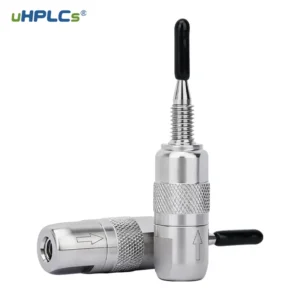
Home Products HPLC Guard Columns 2.1 mm UHPLC direct-connect guard column with low dead volume design Revolutionary 2.1mm UHPLC Direct-Connect Guard Column Hardware Boost your
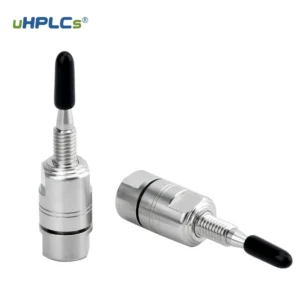
New 2.1 Direct Connect HPLC Inline Filter Item Number : HP-IF-D2.1n Main Function 2.1mm High Pressure Inline Filter Directly Connect Unique Design Lower Dead-Volume Easy
Uridine 5’-triphosphate Trisodium Salt (UTP-Na₃) Reference Standard | CAS 19817-92-6 | High-Purity Reference Materiel Product Code: U-D25015X Chemical Name: Uridine 5’-triphosphate Trisodium Salt (UTP-Na₃) Category:
Glutathione (G-SH) Reference Standard | CAS 70-18-8 | High-Purity Reference Materiel Product Code: G-D25016X Chemical Name: Glutathione (G-SH) Category: Drug Impurity Standard CAS Number: 70-18-8
Adenosine 5’-triphosphate Disodium Salt Reference Standard | CAS 987-65-5 | High-Purity Reference Materiel Product Code: A-D25014X Chemical Name: Adenosine 5’-triphosphate Disodium Salt Category: Drug Impurity
Butafosfan Reference Standard | CAS 17316-67-5 | High-Purity Reference Materiel Product Code: B-D25013X Chemical Name: Butafosfan Category: Drug Impurity Standard CAS Number: 17316-67-5 Molecular Formula:
WhatsApp us