Introduction
In high-performance liquid chromatography (HPLC), the choice of an empty column tube is often overlooked, yet it plays a critical role in achieving accurate and reproducible analytical results. Empty column tubes, which serve as the structural housing for the stationary phase, directly influence separation efficiency, system backpressure, and overall method reliability. Choosing the right tube is more than a matter of convenience—it affects column lifespan, data quality, and even laboratory safety. This guide provides a comprehensive framework for selecting the optimal empty HPLC column tube based on your analytical method, sample type, and system requirements.
Basics of Empty HPLC Column Tubes
What is an Empty Column Tube?
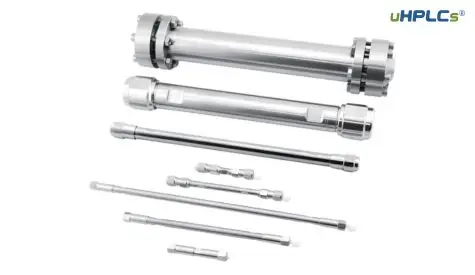
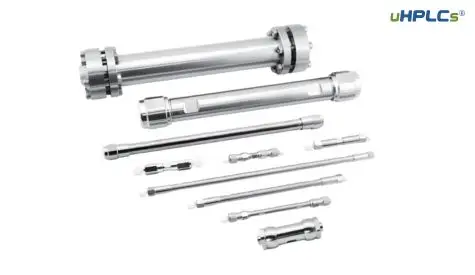
An empty HPLC column tube is a hollow cylinder designed to house the stationary phase of a chromatography column. Unlike packed columns, which come prefilled with particles, empty tubes allow for custom packing or method development. The tube itself maintains system pressure, ensures a uniform flow path, and protects the integrity of the stationary phase. Understanding its design and specifications is the first step in selecting the right component for your analytical workflow.
Main Components and Materials
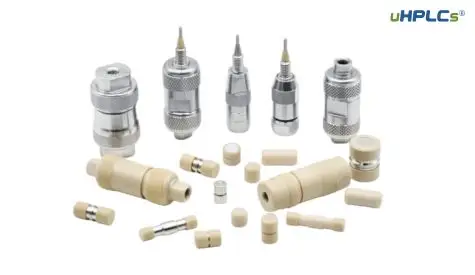
Empty HPLC column tubes are typically made from stainless steel, PEEK (polyether ether ketone), or titanium alloy.
- Stainless steel: Offers high mechanical strength and chemical resistance; suitable for most organic solvents.
- PEEK: Chemically inert and biologically compatible, ideal for aqueous buffers or biological samples.
- Titanium: Combines high pressure tolerance with corrosion resistance, useful in highly aggressive solvent systems.
Empty HPLC column tubes are commonly made from stainless steel, PEEK (polyether ether ketone), or titanium alloy:
| Material | Advantages | Suitable Applications |
| Stainless Steel | High mechanical strength, chemical resistance | Organic solvents, high-pressure applications |
| PEEK | Chemically inert, biocompatible | Aqueous buffers, biological or sensitive samples |
| Titanium | Corrosion-resistant, high pressure tolerance | Aggressive solvents, harsh chemical environments |
Common Specifications
Key specifications to consider include:
- Inner diameter (ID): Typically 2.1–50 mm; smaller IDs reduce solvent consumption and improve efficiency, while larger IDs support higher sample loads.
- Length: Usually 30–300 mm; longer tubes improve separation but increase backpressure.
- Pressure rating: Determines suitability for high-pressure applications.
- Connection type: Must match the system’s fittings to prevent leaks and minimize dead volume.
Analytical Method Considerations
Type of Analysis and Purpose
Different analytical goals require different tube specifications:
- Analytical HPLC: Focuses on small molecules and low sample volumes; usually requires smaller IDs and shorter tubes.
- Semi-preparative or preparative HPLC: Deals with large molecules or high sample loads; wider IDs and longer tubes are preferred for capacity and efficiency.
Flow Rate and Column Volume
Flow rate and column volume must align with tube specifications. High flow rates require tubes with higher pressure tolerance, while large injection volumes benefit from wider or longer columns to maintain separation performance.
Temperature and Solvent Compatibility
Many methods operate at elevated temperatures or use aggressive solvents.
- PEEK: Ideal for aqueous or mild organic systems.
- Stainless steel or titanium: Recommended for high-temperature applications or strongly acidic/organic solvents.
Choosing an incompatible tube material can lead to leaks, reduced lifetime, or even failure.
Step-by-Step Selection Guide
1. Choose ID and Length Based on Analysis Goals
- Small molecule analysis: 2.1–4.6 mm ID, 50–150 mm length.
- Large molecule or preparative work: 10–50 mm ID, 150–300 mm length.
2. Select Material Based on Sample and Solvent
- Corrosive solvents: stainless steel or titanium.
- Biochemical samples or aqueous buffers: PEEK.
3. Determine Pressure Rating
- High-pressure methods: choose tubes rated above the system’s maximum operating pressure.
- Standard methods: standard-pressure tubes are sufficient, reducing cost without sacrificing performance.
4. Consider Connection Type and System Compatibility
Ensure fittings match the HPLC system (e.g., 10-32, 1/16”, union types) to prevent leaks or dead volume.
5. Practical Tips
- Leave a safety margin in pressure and flow rate to extend tube life.
- Record tube performance for different methods to guide future selection.
- Inspect tubes regularly for corrosion, clogging, or other damage.
Common Issues and Troubleshooting
Even with careful selection, problems can arise:
- High backpressure: Often caused by ID mismatch, particle clogging, or improper packing.
- Leaks: Typically due to incompatible connectors or damaged tube material.
- Poor separation efficiency: May indicate incorrect tube length or diameter, or improper stationary phase packing.
Replacing or adjusting the empty column tube can restore method performance and ensure reproducible results. Routine maintenance and method-specific tube selection are critical for minimizing these issues.
Conclusion
Selecting the right empty HPLC column tube requires careful consideration of tube material, size, pressure rating, and system compatibility. The right choice ensures optimal separation, reproducible results, and prolonged system lifespan. By aligning tube specifications with analytical goals, sample type, and method requirements, laboratories can achieve reliable and efficient chromatographic analyses. Proper planning and selection of empty HPLC column tubes is an investment in both data quality and laboratory productivity.