Introduction
In High Performance Liquid Chromatography (HPLC), the purity of solvents is paramount for achieving reliable and accurate results. Solvent filtration is a critical step in preparing these solvents, as it ensures the removal of particulate matter, undissolved solids, and other contaminants that could adversely affect the HPLC system’s performance. The importance of solvent filtration in HPLC cannot be overstated, as it directly impacts both the quality of the chromatographic analysis and the longevity of the HPLC column.
Why solvent filtration is crucial in HPLC
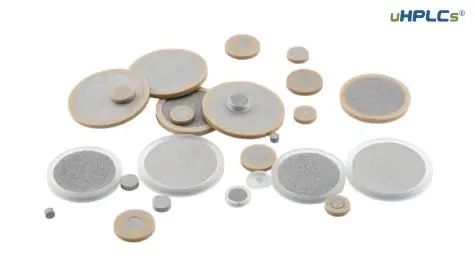
HPLC solvent filters play a crucial role in maintaining the overall performance and efficiency of the HPLC system. These filters are designed to trap impurities that may be present in the solvents, preventing them from entering the system. By doing so, they help to:
-
Protect the HPLC Column: Particulate matter and other contaminants can cause blockages or damage to the HPLC column, leading to reduced column efficiency and a shorter lifespan. Solvent filters prevent such contaminants from reaching the column, thereby extending its life and maintaining its performance.
-
Ensure Consistent Results: Contaminants in the solvent can interfere with the separation process, leading to inconsistent and unreliable results. By filtering the solvents, HPLC solvent filters help to ensure that the analysis remains consistent and reproducible.
-
Reduce Maintenance: An unfiltered solvent can lead to frequent blockages in the system, requiring more frequent maintenance and potentially costly repairs. Solvent filters help to reduce the need for such maintenance by keeping the system clean.
-
Enhance Sensitivity and Accuracy: By removing impurities, solvent filters improve the sensitivity and accuracy of the HPLC analysis. This is especially important in applications where detecting trace amounts of substances is critical.
In summary, the use of HPLC solvent filters is essential for maintaining the performance, accuracy, and longevity of the HPLC system. By ensuring that the solvents are free from contaminants, these filters play a vital role in achieving high-quality chromatographic results and minimizing system maintenance.
Types of HPLC Solvent Filters
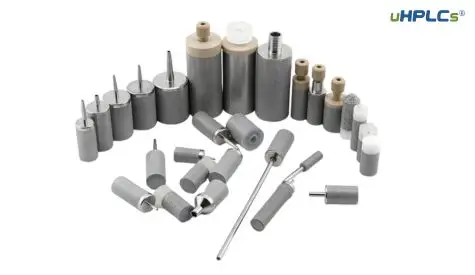
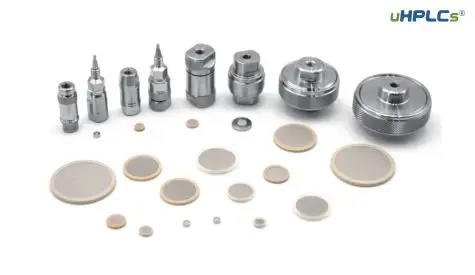
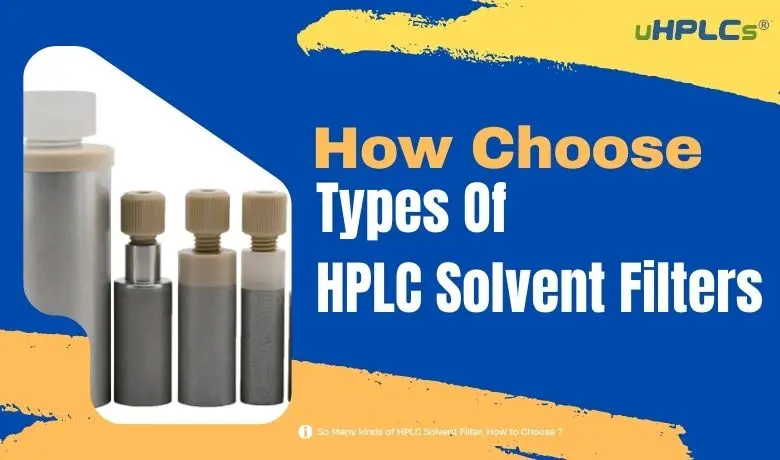
Pre-Column Filters
Description and Usage:
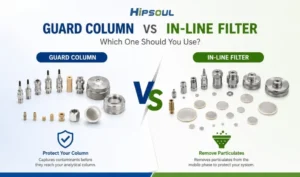
Pre-column filters, also known as guard filters, are installed directly before the HPLC column.
They are designed to capture particulate matter and other impurities that might bypass the
primary filtration steps, providing an extra layer of protection for the column.
Benefits:
- Extend the lifespan of the HPLC column by preventing blockages.
- Protect the column from damage caused by particulate matter.
- Easy to replace and maintain.
Limitations:
- Can add a small amount of backpressure to the system.
- Need regular replacement to maintain effectiveness.
In-Line Filters
Description and Usage:
In-line filters are installed directly into the solvent flow path before
the solvent enters the HPLC system. They are used to filter the solvent continuously, ensuring that
only clean solvent reaches the system.
Benefits:
- Provide continuous filtration of the solvent.
- Help maintain a consistent flow of clean solvent.
- Reduce the frequency of system maintenance.
Limitations:
- Can increase system backpressure.
- Require periodic replacement or cleaning.
Syringe Filters
Description and Usage:
Syringe filters are small, disposable filters used to filter solvents or samples manually before they are
introduced into the HPLC system. They are typically used in sample preparation to remove particulates
and other contaminants.
Benefits:
- Convenient and easy to use.
- Available in various pore sizes and materials.
- Effective at removing particulates from small volumes of solvent or sample.
Limitations:
- Single-use, which can increase costs over time.
- Not suitable for continuous filtration.
Glass Fiber Filters
Description and Usage:
Glass fiber filters are used to remove larger particulates from solvents and samples.
They are often used as pre-filters to protect more delicate filters or the HPLC system itself.
Benefits:
- High dirt-holding capacity.
- Effective at capturing large particulates.
- Can be used as a pre-filter to extend the life of finer filters.
Limitations:
- Not suitable for filtering very fine particulates.
- Can shed fibers if not handled properly.
PTFE (Polytetrafluoroethylene) Filters
Description and Usage:
PTFE filters are chemically resistant filters used to filter solvents that are aggressive or have a high
chemical compatibility requirement. They are commonly used for filtering organic solvents and
aggressive chemicals.
Benefits:
- High chemical resistance.
- Suitable for a wide range of solvents.
- Hydrophobic nature makes them ideal for organic solvents.
Limitations:
- More expensive than some other filter types.
- Can be less effective for aqueous solutions without hydrophilic treatment.
Nylon Filters
Description and Usage:
Nylon filters are versatile filters used for a variety of solvents and samples.
They are known for their strength and compatibility with both aqueous and organic solvents.
Benefits:
- Compatible with a wide range of solvents.
- Strong and durable.
- Suitable for both aqueous and organic solvents.
Limitations:
- Can bind proteins, making them unsuitable for some biological samples.
- Limited chemical resistance compared to PTFE filters.
Polypropylene Filters
Description and Usage:
Polypropylene filters are used for filtering solvents and samples that are chemically compatible with polypropylene.
They are often used for general-purpose filtration.
Benefits:
- Chemically inert and compatible with many solvents.
- Cost-effective and widely available.
- Suitable for a variety of applications.
Limitations:
- Not suitable for use with strong acids or bases.
- Lower temperature resistance compared to other materials.
Each type of HPLC solvent filter has its own specific advantages and limitations, making it important to choose the appropriate filter
based on the specific requirements of your HPLC application and the chemical nature of the solvents and samples being used.
Choosing the Right HPLC Solvent Filter
Factors to Consider
1.Solvent Compatibility
Selecting a filter that is compatible with the solvents you are using is crucial. Different filters are designed to work with specific types of solvents:
- PTFE filters are excellent for aggressive organic solvents.
- Nylon filters are versatile and can handle both aqueous and organic solvents.
- Polypropylene filters are suitable for many general-purpose solvents but may not withstand strong acids or bases.
2. Pore Size
The pore size of the filter determines the size of the particles it can remove. Common pore sizes range from 0.2 µm to 0.45 µm, with smaller pore sizes providing finer filtration:
- 0.2 µm filters are ideal for removing fine particulates and bacteria.
- 0.45 µm filters are suitable for general-purpose filtration, removing larger particulates.
3.Chemical Resistance
The chemical resistance of the filter material is essential to ensure it does not degrade when exposed to your solvents:
- PTFE offers excellent chemical resistance to a wide range of solvents.
- Nylon provides good chemical resistance but may not be suitable for some highly acidic or basic solutions.
- Polypropylene is resistant to many chemicals but has limitations with strong acids and bases.
4.Flow Rate
The flow rate of the filter affects the efficiency and speed of your filtration process. Filters with higher flow rates can process solvents faster, but may have lower filtration precision:
- Choose a filter with an appropriate flow rate for your system’s requirements to avoid delays and maintain efficiency.
Application-Specific Recommendations
1. Filters for Aqueous Solvents
- Nylon Filters: These are generally suitable for most aqueous solvents due to their hydrophilic nature.
- Glass Fiber Filters: Often used as pre-filters to remove large particulates before fine filtration.
2. Filters for Organic Solvents
- PTFE Filters: Ideal for organic solvents due to their hydrophobic and chemically resistant properties.
- Glass Fiber Filters: Can be used as pre-filters for organic solvents, protecting finer filters downstream.
3. Filters for Mixed Solvents
- Nylon Filters: Versatile enough to handle mixed solvents, providing a balance of chemical resistance and filtration efficiency.
- Polypropylene Filters: Suitable for many mixed solvents, but check compatibility with specific solvent mixtures.
Compatibility with HPLC System
Ensuring Filter Compatibility with Specific HPLC Systems
To ensure optimal performance and avoid damage to your HPLC system, it is vital to select filters that are compatible with your specific HPLC setup:
- Pre-column filters and in-line filters must match the system’s pressure and flow rate specifications.
- Syringe filters should be used correctly during sample preparation to prevent introducing contaminants into the system.
Manufacturer Recommendations and Guidelines
Always consult the manufacturer’s recommendations and guidelines when selecting HPLC solvent filters:
- Manufacturers provide compatibility charts and guidelines to help you choose the right filter for your solvents and HPLC system.
- Following these recommendations ensures that you maintain system integrity and achieve reliable, reproducible results.
By considering these factors and following application-specific recommendations, you can choose the right HPLC solvent filter to optimize your chromatographic analyses, protect your system, and extend the lifespan of your HPLC columns.