
Chemical Analytical Testing Services for Compounds
HPLC, GC, LC-MS/MS, and complementary techniques for identification, quantification, and impurity work
uHPLCs (HIPSOUL) provides laboratory analytical testing for compound verification, content measurement, impurity profiling, and structure support across pharmaceutical, food, materials, and environmental samples.
Industries we support
Jump to application pages for matrix context, then return here for testing scope and techniques.
What is analytical testing?
Analytical testing is laboratory analysis used to identify, quantify, or characterize chemical compounds in a sample. Buyers typically request it to verify ingredients, measure assay or residual content, profile impurities, investigate unexpected peaks, or support method development when a routine procedure is not yet fit for purpose.
At uHPLCs, testing work is planned around the decision you need and the matrix you send. Common technique paths include HPLC / UHPLC, LC-MS/MS, GC-MS, and UV / PDA. For broader project packaging see analytical services; for investigational work beyond standard methods see complex and non-routine solutions.
Content reviewed by the uHPLCs analytical laboratory team. Last reviewed: 9 November 2026. For laboratory capability and contact details, see About uHPLCs.
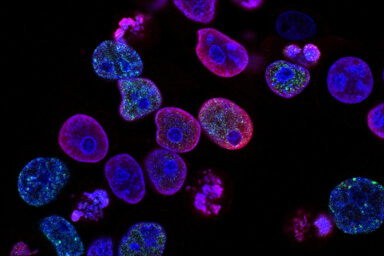
Core analytical testing services
Four testing paths for composition, content, impurities, and structure support — with method development available when the sample needs it.

Ingredient Analysis
Identify and verify substance composition for raw materials, intermediates, and finished samples.
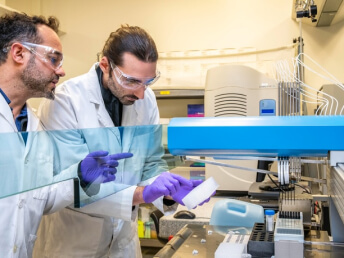
Quantitative Testing
Measure content, residuals, and trace components with methods matched to the reporting limit you need.
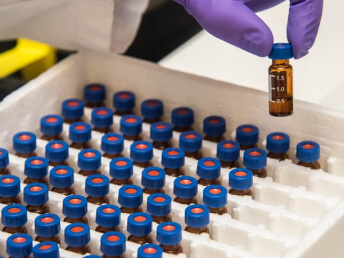
Impurities Testing
Detect and characterize impurities, related substances, and degradation products when chromatography alone is not enough.

Molecular Structure Elucidation
Combine separation and spectral evidence to support structure hypotheses for unknown or related compounds.
Need method development or validation with the testing package? See analytical method development and validation.
Techniques used for testing
Advanced analytical instruments for separation, detection, and identification — linked to the matching technology pages.
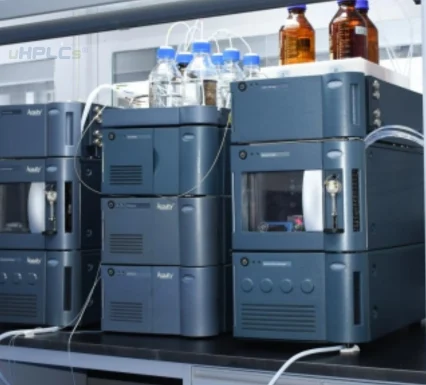
Chromatography
HPLC / UHPLC / preparative chromatography for precise separation and assay support.

Gas Chromatography
GC and GC-MS pathways for volatile and semi-volatile compounds.

Mass Spectrometry (MS)
LC-MS/MS and GC-MS for identification and multi-technique confirmation.

Spectroscopy
UV / PDA and complementary spectral data for qualitative and structural support.
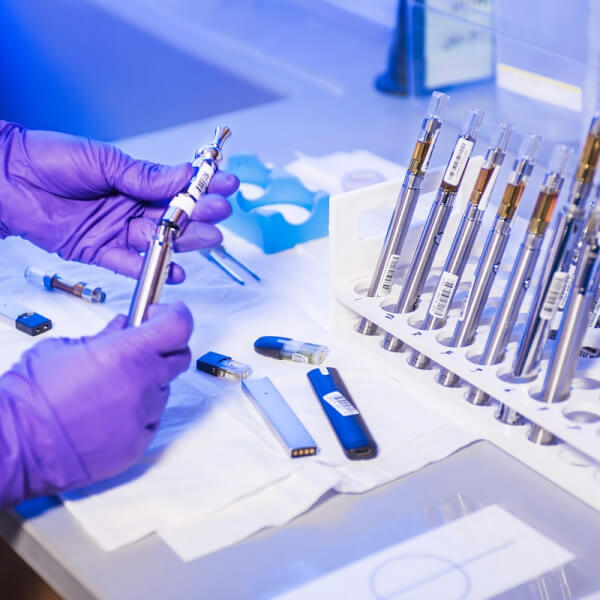
How testing projects are scoped
We specialize in method-aware compound testing: clear analytical questions, suitable technique selection, and reports matched to the agreed decision — for food, pharmaceutical, cosmetic, and chemical samples.
- 01. Multi-platform coverage LC, GC, and MS platforms are considered together so the plan fits the matrix and reporting need.
- 02. Compound matching support Where library or reference comparison is available for the project, identification and verification can move faster. Coverage depends on the compound class and the data quality of the submitted sample.
- 03. Method development path When no routine method fits, testing can move into documented method development and validation before larger sample sets are run.
Representative testing patterns
These cards describe common starting questions. They are technical examples, not named customer case studies, and they do not report measured percentage outcomes.

Ingredient verification for a raw material
Challenge: confirm whether a supplied material matches the expected composition. Approach: chromatographic assay plus complementary spectral checks when needed. Result type: verified identity statement or a clear list of unresolved signals.

Impurity or residual content check
Challenge: quantify a known impurity or residual solvent-related target. Approach: select HPLC or GC with an appropriate detector and confirm with MS when identity is uncertain. Result type: quantified result with method notes for the agreed range.
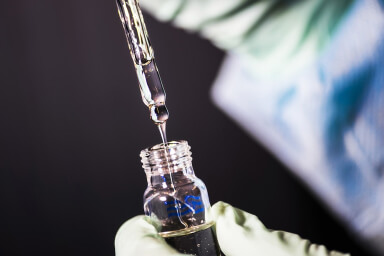
Unexpected peak during product testing
Challenge: a new peak appears during development or QC. Approach: improve separation, then use LC-MS or complementary data if identification is required. Result type: documented investigation package or referral into non-routine work.
What Do We Need to Start Your Testing Project?
Share a few details about your sample and analytical goals. Our team will review feasibility and recommend an appropriate testing approach.
Sample Information
Sample type, matrix, approximate quantity, and available concentration information.
Testing Objectives
Compound identification, quantification, impurity profiling, or structural characterization support.
Existing Data
Available analytical methods, chromatograms, specifications, or reference standards.
Project Requirements
Expected timeline, reporting requirements, and confidentiality considerations.
Frequently asked questions
What is analytical testing, and when do I need it?
Analytical testing is laboratory work that identifies, quantifies, or characterizes compounds in a sample. It is typically needed for raw-material verification, content or assay measurement, impurity profiling, unknown-peak investigation, stability or degradation review, and method development when a fit-for-purpose procedure is not yet available.
Which techniques do you use for analytical testing?
Projects commonly use HPLC and UHPLC, preparative chromatography when isolation is needed, gas chromatography, LC-MS/MS, GC-MS, and complementary spectroscopy such as UV/PDA. The technique set is selected after the sample matrix and decision are defined.
How is this page different from Analytical Services or Analytical CRO?
This page focuses on compound-level analytical testing by technique and industry scenario. Analytical Services is the broader platform overview. Analytical CRO covers project-based method development, impurity work, and purification workflows. Non-routine investigations that exceed standard methods are covered on the Complex and Non-Routine Solutions page.
What sample types can you accept?
Common discussions include pharmaceutical and chemical compounds, food and beverage ingredients, medical-device related materials, packaging extracts, and environmental matrices. Acceptance depends on matrix, available amount, safety constraints, and whether a suitable technique exists for the question.
What is the typical turnaround time?
Timing depends on sample preparation difficulty, whether method development is required, and the agreed reporting depth. A date is confirmed only after feasibility review. Routine identification or assay work can often move faster than custom method development.
Do you provide method development and validation with testing?
Yes, when the project needs a new or optimized method. Method development and validation scope is defined in the proposal. Details are covered on the Analytical Method Development and Validation page.
Can I request analytical testing without an existing method?
Yes. If no established method is available, our team can review your sample and analytical objectives to determine whether method development is needed before testing.
How do I start an analytical testing project?
Send a short project summary through the contact form or email. After feasibility review you receive a proposed scope, timeline, and quotation. Sample intake and testing begin only after the plan is agreed.
Request an analytical testing quote
Tell us the sample type, the analytical question, and the decision you need. The laboratory team will review feasibility before any quotation is finalized.