
Analytical Services
Analytical Services for Samples That Routine Methods Cannot Resolve
From method development and impurity identification to quantitative analysis and purification, HiPSOUL helps turn complex analytical challenges into clear, actionable results.
- Method Development & Validation
- Impurity Identification & Structure Elucidation
- Separation & Purification
- Technical Support from Experienced Scientists
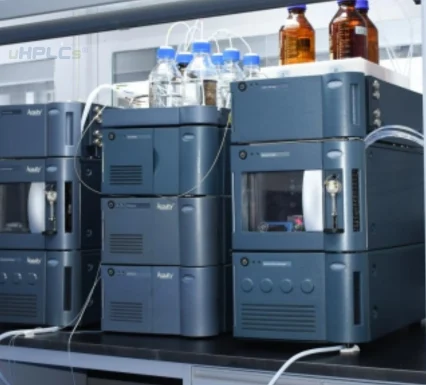
Do You Face These Analytical Challenges?
We help you turn complex samples into clear answers.
- Unknown peaks or impurities
- Low-level impurities in complex matrices
- Difficult chromatographic separation
- Poor reproducibility or unstable methods
- Method transfer, validation or regulatory requirements
- Need for high-purity compounds or reference standards
- Better separation and peak shape
- Reduced interference and ghost peaks
- Reliable, reproducible results
- Method ready for routine analysis or further validation
The traces above are schematic drawings of peak shape. They are not a customer chromatogram and they do not show a measured result.
Our Analytical Service Platform
End-to-end analytical support from method development to purification, tailored to your samples and project goals.
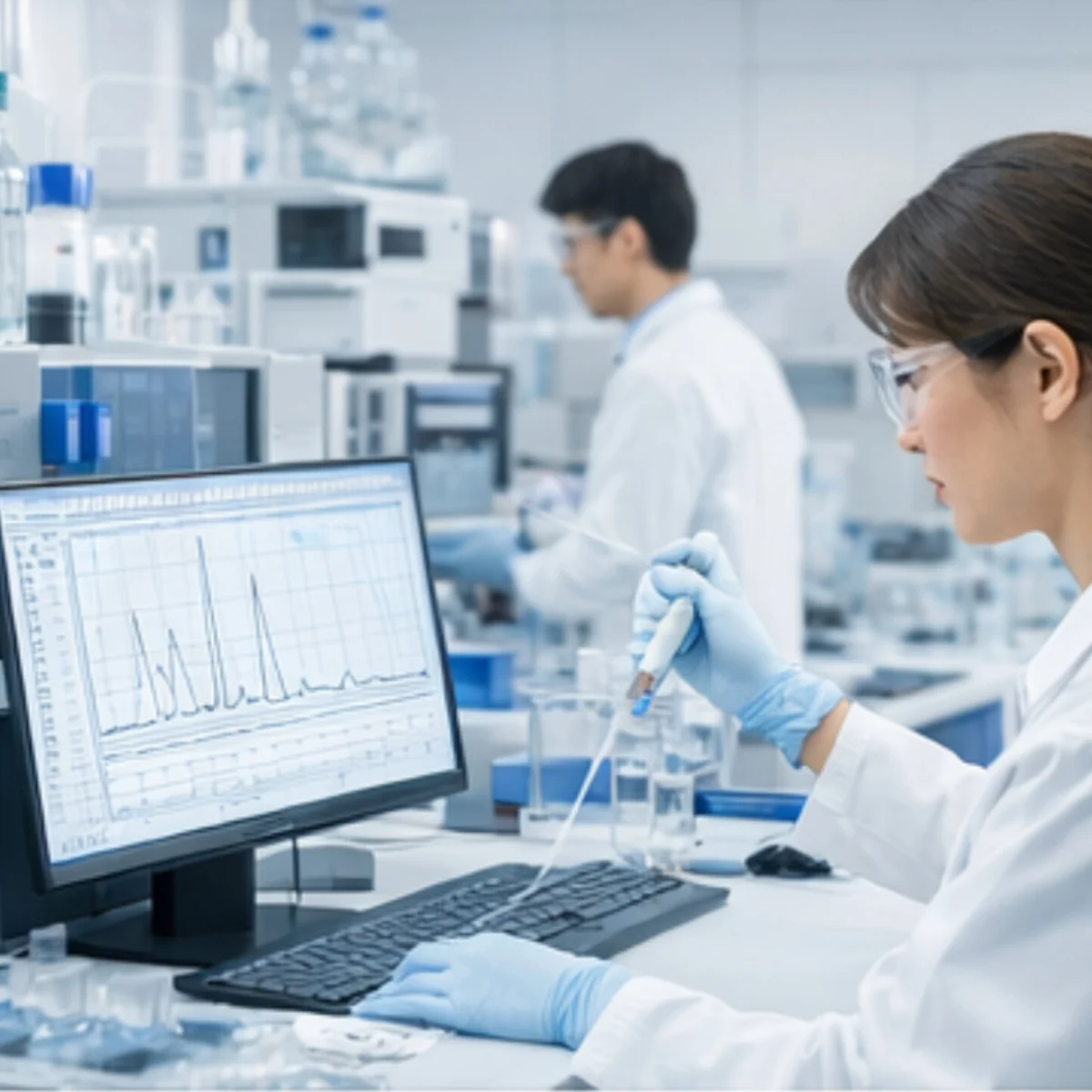
Method Development & Optimization
Tailored HPLC/UPLC/GC methods for complex samples, difficult analytes and specific detection requirements.
Learn more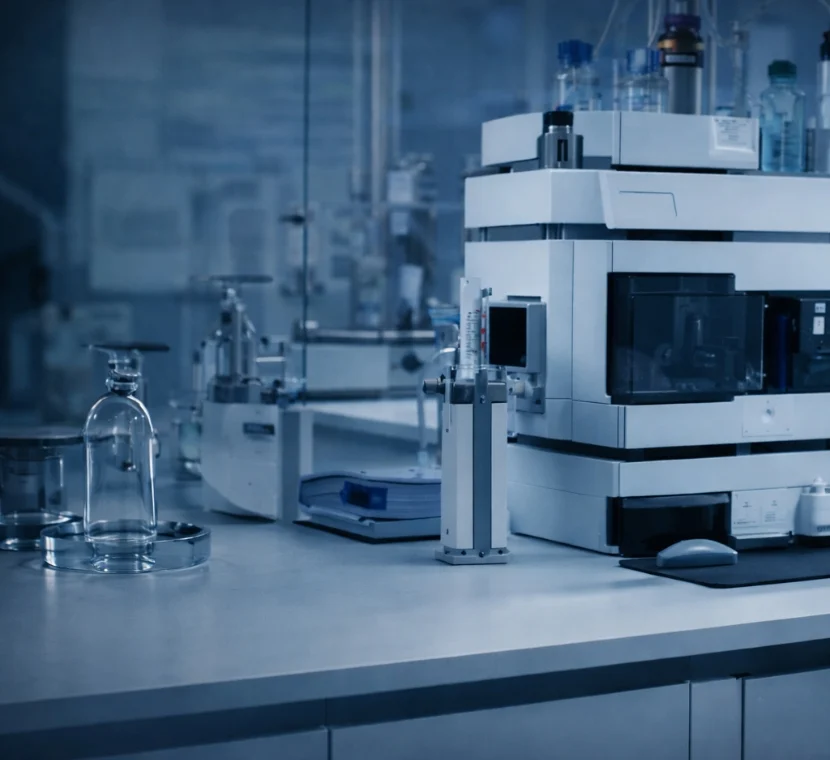
Impurity Identification
Identify and characterize unknown compounds using LC-MS, GC-MS, UV-Vis, IR, and complementary techniques where the project requires them.
Learn more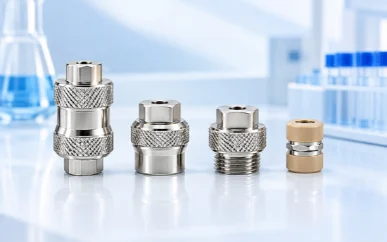
Separation & Purification
From analytical-scale separation to semi-preparative and preparative purification for high-purity materials.
Learn more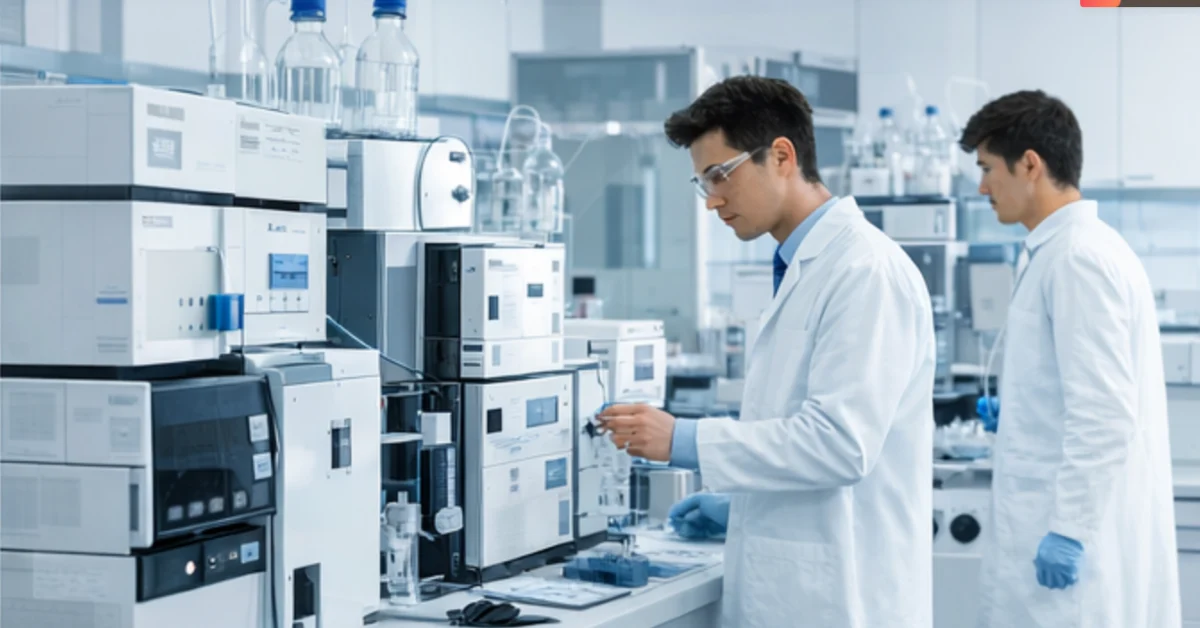
Method Validation & Transfer
Support method validation, transfer and troubleshooting according to project and regulatory requirements.
Learn more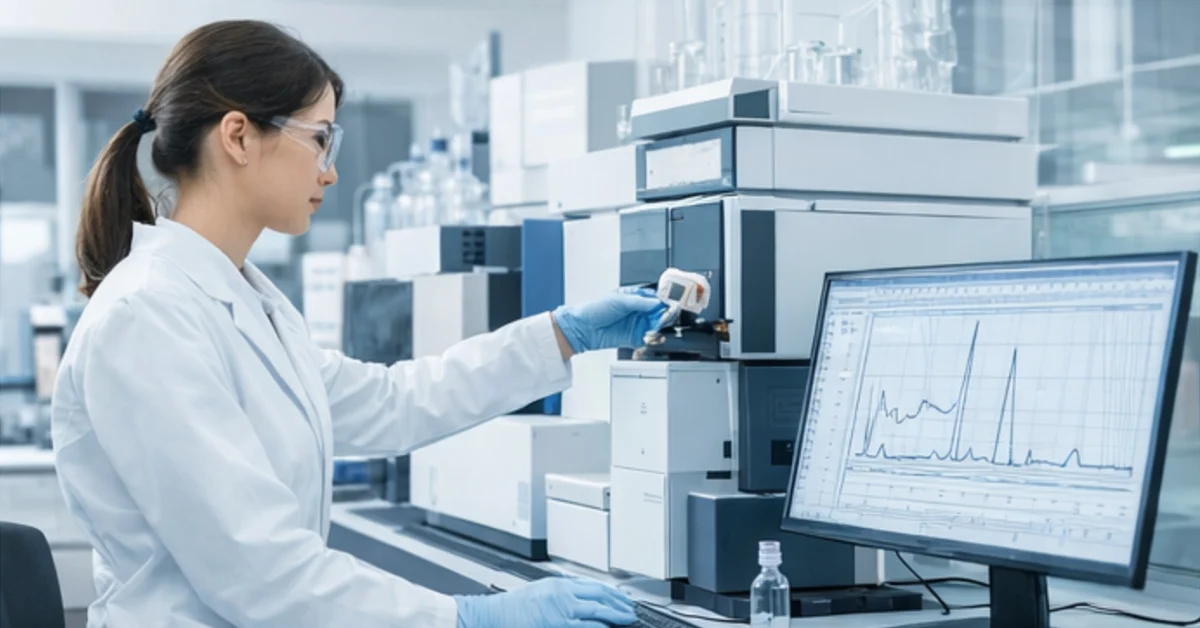
Quantitative Analysis
Trace component analysis, content uniformity and stability-related quantitative testing.
Learn moreReference Standards Support
Sourcing, characterization and analytical support for reference standards. Catalogue items are listed with the reference standards range.
Learn moreCustom Testing
Project-specific analytical solutions for non-standard samples and unique testing requirements.
Learn moreTechnical Consultation
Support for sample preparation, column selection, mobile phase optimization and analytical troubleshooting. Matching guard columns and HPLC consumables are available when the method needs them.
Learn moreOur Analytical Workflow
A structured and transparent process designed to turn analytical questions into reliable results.
- 01
Discuss Your Needs
Share sample information, analytical goals and any specific requirements.
- 02
Method & Strategy Design
Our team evaluates the sample and selects appropriate analytical techniques and methodology.
- 03
Analysis & Optimization
Perform analysis, refine conditions, evaluate results and validate critical parameters.
- 04
Report & Recommendations
Receive results, supporting analytical data and practical recommendations.
Advanced Analytical Capabilities
We combine chromatography, mass spectrometry and complementary analytical techniques to investigate complex samples and support method development, identification and purification projects. Column selection can start from the HPLC columns already manufactured in-house.
- Waters UPLC and LC-MS/MS systems
- Agilent GC and GC-MS systems
- Shimadzu UV and IR spectrometers
- Thermo Scientific U3000 and PDA
- HPLC / UHPLC chromatography platforms, including preparative chromatography
- PDA, DAD, TUV, FLD, ELSD, CAD, UV and IR detection, plus GC with FID and ECD
- NMR and complementary techniques where the project requires them
Applications Across Industries
Supporting R&D, quality control, troubleshooting and analytical development across multiple industries.
API, impurities, formulations
BiotechnologyPeptides, proteins, oligonucleotides
Chemicals & MaterialsMonomers, polymers, specialty chemicals
Food & BeveragesAdditives, contaminants, quality control
EnvironmentalPollutants, trace analysis
Academic & ResearchMethod development and research support
Why Choose HiPSOUL
More than analytical testing — a practical partner for complex analytical challenges.
Experienced Scientific Team
Practical solutions for complex analytical challenges.
Comprehensive Techniques
HPLC/UPLC, GC-MS, LC-MS and complementary analytical methods.
Project-Based Customization
Flexible service options based on your sample and analytical objectives.
Confidentiality & Data Security
Protect customer samples, project information and analytical data.
Representative Analytical Challenges
Anonymized problem types. These are not customer testimonials and they do not report a measured purity, LOD, LOQ, or success rate.
| Problem type | Challenge | Approach | Outcome |
|---|---|---|---|
| Unknown Impurity | Multiple unknown peaks detected in an API sample. | Chromatographic optimization combined with mass spectrometry. | Improved separation and supporting information for impurity identification. |
| Poor Peak Resolution | Critical components could not be adequately separated using the existing method. | Column screening, mobile-phase optimization and gradient adjustment. | Improved resolution and more reproducible chromatographic performance. |
| Purification Requirement | Target compound required higher purity for further analytical work. | Preparative chromatography and fraction optimization. | Purified target fraction suitable for downstream characterization. |
Frequently Asked Questions
What types of samples can you analyze?
HiPSOUL reviews samples that need chromatography or a complementary technique. Typical work includes APIs, intermediates, formulations, peptides and other biomolecules, specialty chemicals, polymers, food and beverage matrices, and environmental samples. Tell us the matrix, the target, and the decision you need. If a sample sits outside the techniques on this page, we will say so before the project starts.
How much sample do I need to provide?
The amount depends on the technique, the expected concentration, and whether the work is identification, quantitation, or purification. A small analytical aliquot is often enough for method scouting. Purification and reference-standard preparation need more material. After you describe the sample and the goal, we will confirm a practical quantity and how to send it.
Can you develop an HPLC or GC method from scratch?
Yes. Method development can start from the sample and the analytical question when no suitable method exists. The team selects the separation mode, column, mobile phase or carrier gas, and detector, then refines the conditions on your sample. Where the method needs a matching column, that choice can be aligned with uHPLCs HPLC columns.
Can you identify unknown impurities?
Unknown peaks can be investigated with chromatographic separation and mass spectrometry, supported by UV, IR, or another technique already listed on this page when the project needs it. How far an identification can go depends on the amount of impurity, the matrix, and any reference information you can share. We will state what the data can and cannot support.
Do you provide method development reports?
Yes. A method-development project can include the conditions used, representative chromatograms, and the observations behind the recommended method. Tell us which records your team needs for internal review. The report scope is confirmed before work begins, so you know what will be delivered.
Can you support method validation?
We can support method validation and method transfer against the protocol and regulatory context you provide. The scope is agreed per project and can include the experiments and documentation that protocol requires. Share the current method, the protocol, and the decision the validation has to support.
Do you provide separation and purification services?
Yes. Work can move from analytical-scale separation to semi-preparative and preparative purification when a fraction must be collected for further study or for a higher-purity material. The approach depends on the target, the matrix, and what the next step needs. We do not state a purity figure until the sample has been reviewed.
What information should I provide before starting a project?
A useful brief includes the sample or compound name, the matrix, the current method if one exists, any chromatograms or spectra you already have, the analytical problem, and the result you need. Safety information and handling limits matter too. Put that in the inquiry form. Chromatograms and method files can be emailed to [email protected].
What is the typical turnaround time?
Turnaround time depends on sample complexity, analytical techniques and project scope. Our team will provide an estimated schedule after reviewing your sample and analytical requirements. Method scouting and multi-step purification do not follow the same clock, so this page does not promise a fixed number of days.
Can you work with confidential or proprietary samples?
Yes. Project discussions can cover proprietary compounds, unpublished methods, and customer data. Tell us the confidentiality terms you need when you send the inquiry. Sample identity, project information, and analytical data are treated as customer information and limited to the people doing the work.
Share Your Sample and Analytical Challenge
Tell us about your sample, target compound, current method and unresolved analytical problem. Our team will review your requirements and recommend a practical analytical approach.
Or email us directly at: [email protected]
Submit a Sample Inquiry
Describe the sample and the problem. Our team will recommend an approach. To send a chromatogram or method file, email [email protected].