
Why Use Guard Column in HPLC System
Guard Columns: Protecting Your HPLC Investment
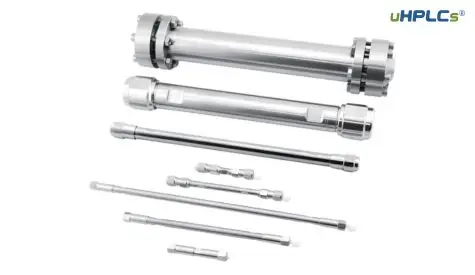
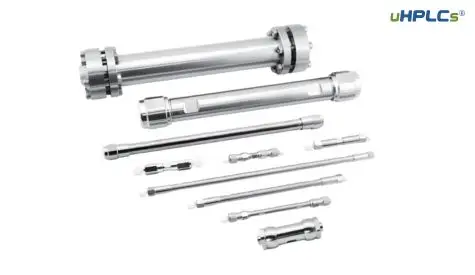
Guard columns are short columns placed before the analytical column in HPLC systems. They protect the analytical column by:
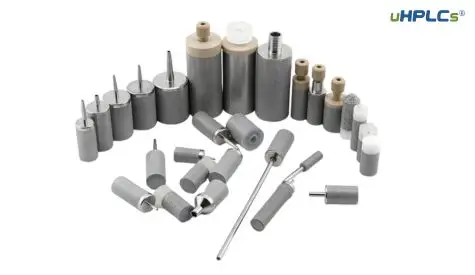
- Filtering particles: Trapping debris to prevent column clogging.
- Absorbing contaminants: Removing compounds that can damage the analytical column.
By using a properly selected guard column, you can extend the life of your analytical column, improve separation efficiency, and ensure reliable, reproducible results.
What Is a Direct Connect Guard Column?
Direct Connect Guard Columns: A Simplified Approach
A direct connect guard column is a type of guard column designed to minimize the number of connections between the injector, guard column, and analytical column in an HPLC system. This streamlined design offers several advantages:
Key Features:
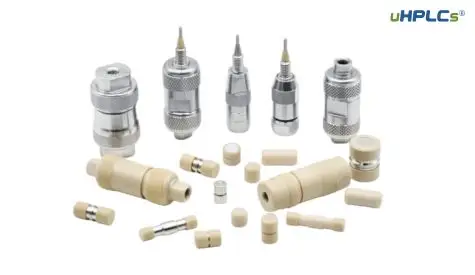
- Direct Connection: The guard column connects directly to the analytical column, eliminating the need for additional fittings and tubing.
- Zero Dead Volume: The design minimizes the volume between the two columns, reducing band broadening and improving peak shape.
- Easy Installation and Replacement: The guard column cartridges are typically designed for easy, tool-free installation and replacement.
Benefits:
- Reduced Connection Points: Fewer connections mean less potential for leaks and reduced system complexity.
- Minimized Dead Volume: Less dead volume leads to sharper peaks and improved resolution.
- Improved Flow Efficiency: The streamlined design reduces backpressure and enhances flow efficiency.
By addressing these critical factors, direct connect guard columns offer a convenient and effective solution for protecting your analytical column and optimizing HPLC performance.

What Is a Normal Guard Column?
Normal Guard Columns: A Classic Approach
A normal guard column is a traditional type of guard column that requires additional fittings and tubing to connect to the analytical column.
Typical Connection Style:
- Fittings and Tubing: Normal guard columns are connected to the analytical column using fittings and tubing. This involves multiple connections, which can potentially introduce dead volume and increase the risk of leaks.
Benefits:
- Compatibility: Normal guard columns can be used with a wide range of HPLC systems and analytical columns.
- Easier Replacement: Replacing a normal guard column is relatively straightforward, as it typically involves unscrewing fittings and replacing the cartridge.
While normal guard columns offer flexibility, direct connect guard columns are often preferred for their simplified design and improved performance.
Comparing Direct Connect and Normal Guard Columns
Ease of Installation
- Direct Connect:
- Simple, tool-free installation.
- Minimal connections, reducing the risk of leaks.
- Normal Guard:
- Requires more complex assembly with fittings and tubing.
- Potential for leaks and increased installation time.
Performance
- Direct Connect:
- Minimized dead volume due to fewer connections.
- Improved peak resolution and signal quality.
- Reduced band broadening.
- Minimized dead volume due to fewer connections.
- Normal Guard:
- Can introduce additional dead volume, especially with improper installation.
- Potential for reduced peak resolution and signal quality.
Maintenance and Replacement
- Direct Connect:
- Easy cartridge replacement.
- Frequent replacement may be necessary, depending on sample cleanliness.
- Normal Guard:
- Requires more complex replacement process involving fittings and tubing.
- Less frequent replacement, as the guard column can be cleaned or repacked.
Compatibility
- Direct Connect:
- Typically designed for specific HPLC systems and column configurations.
- May not be compatible with all systems, especially older models.
- Normal Guard:
- More versatile and compatible with a wider range of HPLC systems.
- Can be customized with various fittings and tubing to adapt to different configurations.
In conclusion, direct connect guard columns offer a streamlined, efficient, and high-performance solution for protecting analytical columns.
However, normal guard columns provide more flexibility and compatibility with a wider range of HPLC systems. The optimal choice depends on specific laboratory needs, instrument configuration, and sample characteristics.
Direct Connect vs. Normal Guard Columns
| Feature | Direct Connect Guard Column | Normal Guard Column |
|---|---|---|
| Ease of Installation | Simple, tool-free installation | More complex assembly with fittings and tubing |
| Peak Resolution and Signal Quality | Improved due to minimized dead volume | Potential for reduced performance due to additional dead volume |
| Maintenance and Replacement | Easy cartridge replacement | More complex replacement process, often requiring specialized tools |
| Compatibility | Typically designed for specific HPLC systems | More versatile and compatible with a wider range of systems |
Advantages and Drawbacks of Each Type
| Feature | Direct Connect Guard Column | Normal Guard Column |
|---|---|---|
| Ease of Installation | Simple, tool-free installation | More complex assembly with fittings and tubing |
| Peak Resolution and Signal Quality | Improved due to minimized dead volume | Potential for reduced performance due to additional dead volume |
| Maintenance and Replacement | Easy cartridge replacement | More complex replacement process, often requiring specialized tools |
| Compatibility | Typically designed for specific HPLC systems | More versatile and compatible with a wider range of systems |
| Advantages | Minimal dead volume, cleaner connections, simplified installation | Flexibility, easier cleaning and repacking, lower pressure drop |
| Drawbacks | Limited compatibility, potential for increased pressure drop | Increased dead volume, more complex installation |
Choosing the Right Guard Column for Your Needs
When selecting a guard column, you should consider some to ensure get the best effect for you HPLC Column , we list these key factors, hope will be helpful for your choosing right HPLC Guard Columns :
1. Application Requirements
- Sample Cleanliness: For dirty samples, a robust guard column with a high capacity for contaminant adsorption is essential.
- Sensitivity: For sensitive analyses, a guard column with low bleed and minimal contribution to background noise is crucial.
- Selectivity: In some cases, a guard column with a specific selectivity can improve overall chromatographic performance.
2. System Compatibility
- Flow Rate and Pressure: Ensure the guard column can handle the flow rate and pressure of your HPLC system.
- Column Dimensions: The guard column should be compatible with the dimensions of your analytical column.
- Fitting and Connection Type: Choose a guard column that is compatible with your HPLC system’s fittings and connections.
3. Performance Goals
- Peak Shape and Resolution: A well-matched guard column can improve peak shape and resolution.
- Sensitivity: A low-bleed guard column can enhance sensitivity.
- Column Lifetime: A good guard column can significantly extend the life of your analytical column.
General Guidance for Common HPLC Scenarios:
- Routine Analysis of Clean Samples: A standard guard column with a similar stationary phase to the analytical column is often sufficient.
- Analysis of Dirty Samples: A high-capacity guard column with a larger particle size can help protect the analytical column from particulate matter and contaminants.
- Sensitive Analyses: A low-bleed guard column with a low particle size can minimize background noise and improve sensitivity.
- High-Pressure LC (HPLC): A guard column with a high pressure rating is essential to withstand the high pressures generated by UHPLC systems.
By carefully considering these factors, you can select the most appropriate guard column to optimize your HPLC system’s performance and extend the life of your analytical column.
Conclusion
Guard columns are essential for protecting analytical columns in HPLC, but if you like to extending their lifespan and optimizing performance. The key lies in selecting the right type for your specific needs.
Consider these factors:
- Application Requirements: Sample cleanliness, sensitivity, and selectivity needs.
- System Compatibility: Flow rate, pressure limitations, and connection types.
- Performance Goals: Sharper peaks, improved sensitivity, and extended column life.
General Recommendations:
- Clean Samples: Standard guard column with matching stationary phase.
- Dirty Samples: High-capacity guard column with larger particles.
- Sensitive Analyses: Low-bleed guard column with small particles.
- High-Pressure LC: High-pressure-rated guard column.
For most lab needs, a standard or high-capacity guard column will provide excellent protection and performance.
Want to find the perfect guard column?
Contact uHPLCs for personalized recommendations and pricing!
Email [email protected] today.