Introduction
As We Know, Guard columns are essential for the optimal performance of High Performance Liquid Chromatography (HPLC) systems. Here’s why they are indispensable:
- Protection for Analytical Columns: Guard columns capture contaminants and particulates, shielding the main analytical columns from damage and extending their lifespan.
- Enhanced System Performance: By filtering out impurities before they reach the analytical column, guard columns ensure cleaner samples and more reliable chromatographic results.
- Efficiency and Cost-Effectiveness: Regular use of guard columns minimizes the need for frequent maintenance and replacements, reducing operational costs.
This introduction highlights the critical functions of guard columns and sets the stage for exploring the different types available for various HPLC applications.
Understanding Guard Columns
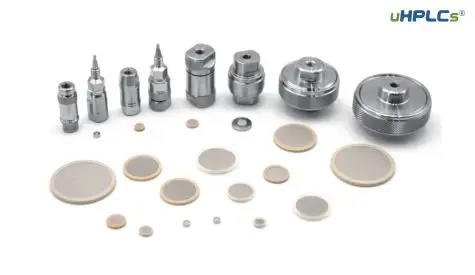
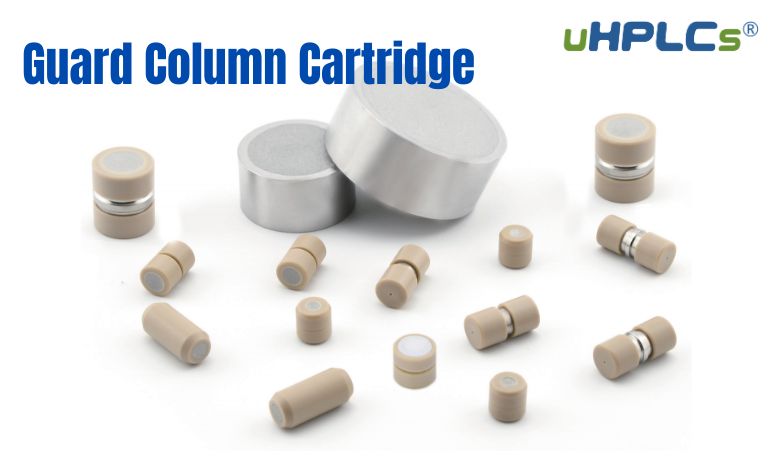
Guard columns are integral components of HPLC systems, designed to protect and extend the life of analytical columns. Here’s a closer look at their definition and the cartridge-based systems they employ:
Definition: A guard column is a small column packed with the same or similar stationary phase as the analytical column it protects. It is placed directly upstream of the main column to intercept potential contaminants that can degrade column performance.
Key Roles:
- Contaminant Removal: They trap particles, precipitates, and chemical impurities from samples and solvents.
- Column Preservation: By absorbing these impurities, guard columns prevent blockages and chemical damage to the sensitive analytical columns.
- Consistent Performance: Maintain consistent chromatographic results by reducing variability caused by column fouling.
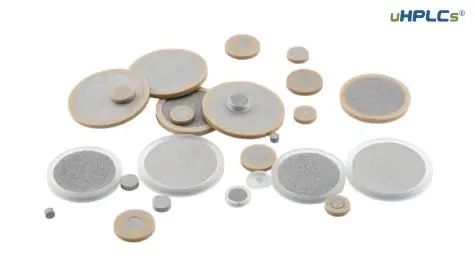
Cartridge-Based System:
- Modularity: Cartridge systems allow for easy replacement and maintenance without dismantling the entire column setup.
- Compatibility: They are designed to fit various HPLC systems with minimal adaptation, ensuring that switching between different types of guard cartridges is straightforward and efficient.
Understanding these aspects of guard columns clarifies their importance in HPLC setups and guides users in selecting the right type for their specific needs.
Types of Guard Column Cartridges by Pressure
Guard column cartridges are designed to meet the diverse pressure requirements of HPLC systems.
Here’s how they vary:
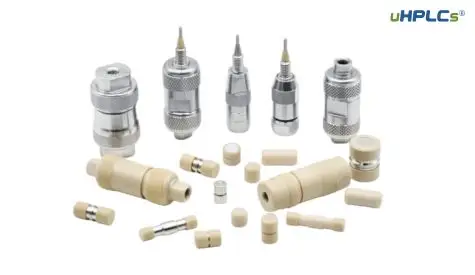
Low Pressure HPLC Peek Guard Cartridges:
- Characteristics: These cartridges are made from Peek (polyether ether ketone), a polymer renowned for its mechanical and chemical stability.
- Advantages:
- Chemical Resistance: Peek exhibits excellent resistance to a wide range of chemicals, making it ideal for handling complex samples without degradation.
- Low-Pressure Applications: Optimally used in HPLC systems operating under lower pressures, Peek cartridges provide effective protection without compromising system integrity.
High Pressure UHPLC Guard Cartridges:
- Design: Crafted to withstand the rigors of ultra-high-pressure liquid chromatography (UHPLC), these cartridges are built for durability and precision.
- Features:
- Robustness: They are capable of operating under extreme pressures, which are typical in UHPLC, ensuring that the guard cartridge maintains its structural integrity and effectiveness.
- Efficiency: The design facilitates high throughput and fast analysis, crucial for UHPLC systems where time and accuracy are paramount.
Each type of guard column cartridge caters to specific operational demands, ensuring that all HPLC systems, regardless of their pressure requirements, receive optimal protection and performance enhancement.

Types of Guard Column Cartridges by Application
The application of guard columns can significantly influence their design and functionality. Here’s an overview of the types tailored for different HPLC applications:
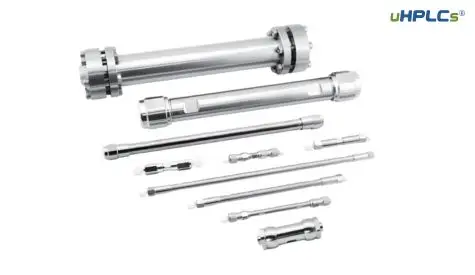
Analytical Guard Columns:
- Purpose: These columns are crucial for routine analytical work where precision and reproducibility are key.
- Protection Mechanism:
- Contaminant Filtration: They primarily protect the analytical columns from particles and chemical impurities that could alter results or damage the column.
- Enhanced Accuracy: By maintaining a cleaner column environment, analytical guard columns ensure consistent and reliable chromatographic results.
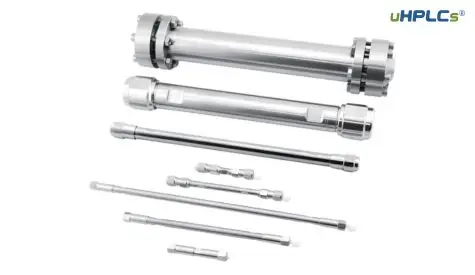
Preparative Guard Columns:
- Purpose: Designed for use in preparative HPLC applications, these guard columns are suitable for larger scale separations aimed at purifying substantial quantities of a substance.
- Capabilities:
- Handling Larger Volumes: They are built to accommodate higher sample loads without compromising the integrity of the separation process.
- Scale-up Support: Essential in scaling up processes from analytical to production scale, ensuring that larger batches maintain the quality and purity required.
Understanding the specific applications for which different guard column cartridges are designed helps in selecting the right type to ensure both protection and performance in various HPLC setups.
Comparing Guard Column Cartridges
While guard column cartridges share some fundamental functionalities, their specific designs and features can differ significantly to meet diverse chromatographic needs. Here’s a detailed comparison:
Similarities:
- Primary Function: All guard columns serve the essential role of protecting the main analytical columns from contaminants, thereby extending their lifespan and enhancing system reliability.
- Contaminant Filtration: Regardless of type, these cartridges are adept at filtering out particulates and chemical impurities before they can reach and damage the analytical columns.
- System Compatibility: They are generally designed to be compatible with a wide range of HPLC systems, facilitating straightforward integration and replacement.
Differences:
- Material Used: Materials can vary from polymers like Peek in low-pressure applications to more robust materials suited for high-pressure settings, affecting chemical compatibility and durability.
- Pressure Tolerance: Cartridges are specifically designed to operate under different pressure conditions. For instance, High Pressure UHPLC Guard Cartridges are built to withstand the high pressures of UHPLC systems, unlike their low-pressure counterparts.
- Application Scale: The design of guard cartridges may also differ based on the scale of application—from analytical to preparative. Preparative cartridges are built to handle larger volumes and sample sizes, essential for scale-up processes.
Understanding these similarities and differences is crucial for choosing the right guard column cartridge that not only fits the technical specifications of the HPLC system but also aligns with the specific analytical or preparative goals of the laboratory.
similarities and differences among various types of guard column cartridges:
| Feature | Similarities | Differences |
|---|---|---|
| Primary Function | Protect analytical columns from contaminants. | – |
| Contaminant Filtration | Effective at filtering particulates and chemical impurities. | – |
| System Compatibility | Compatible with a wide range of HPLC systems. | – |
| Material | – | Varies: Peek for low-pressure applications, robust materials for high-pressure. |
| Pressure Tolerance | – | Designed for specific pressure ranges: low-pressure vs. high-pressure systems. |
| Application Scale | – | Tailored to different scales: Analytical guard columns vs. Preparative guard columns. |
How Selecting the Right Guard Column Cartridge
Choosing the appropriate guard column cartridge is crucial for optimizing the performance of an HPLC system. Here are key considerations to ensure you select the right cartridge for your specific needs:
1.Size and Compatibility:
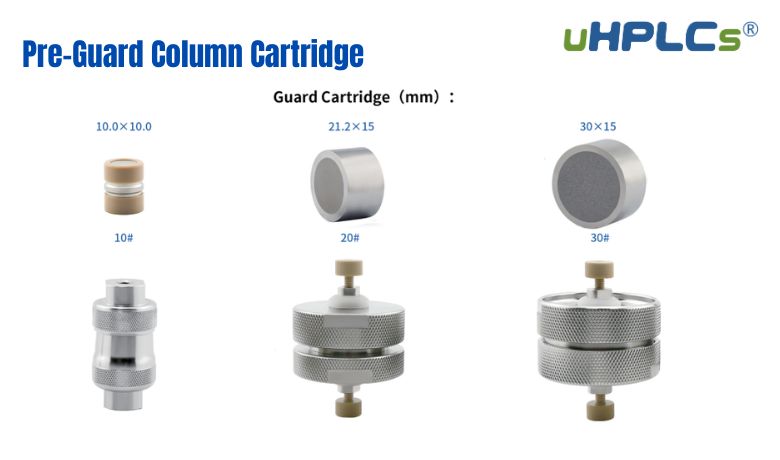
- Dimension Matching: The dimensions of the guard column should correspond with those of the analytical column to ensure proper flow dynamics and efficiency. A mismatch can lead to poor separation performance or even damage to the system.
- Compatibility Check: Ensure that the particle size and porosity of the guard column match those of the analytical column to maintain separation integrity and prevent column overloading.
2.Connectors and System Integration:
- Connector Types: Review the types of connectors used by the guard cartridges. Common types include screw fittings, press-fit, and quick-connect adapters.
- System Compatibility: It’s essential to verify that the guard column’s connectors are compatible with your HPLC system to avoid leaks or pressure drops, which can compromise system performance.
3.Application-Specific Advice:
- Analytical Applications: For standard analytical applications, choose guard columns that provide effective protection without significantly affecting the resolution or speed of analysis.
- Preparative Applications: For preparative scales, opt for guard columns that can handle larger volumes and higher flow rates without sacrificing the purity or yield of the collected fractions.
- Specialized Needs: Consider any special requirements, such as resistance to harsh solvents or suitability for high-pressure conditions, based on the specific compounds or conditions of your experiments.
By carefully considering these aspects, you can select a guard column cartridge that not only protects your analytical column but also enhances the overall efficiency and accuracy of your HPLC analyses.
Conclusion
Selecting the right guard column cartridge is pivotal in protecting your HPLC system, enhancing its performance, and extending its operational life.
By making informed choices based on your specific system requirements and applications, you can significantly improve both the accuracy of your analyses and the longevity of your equipment.
For further guidance on choosing the ideal guard column cartridge for your HPLC system or to explore our comprehensive range of options, don’t hesitate to reach out. Contact us at [email protected] for personalized assistance tailored to your specific needs.
We’re here to help you achieve optimal results with your chromatography processes.