
Introduction
Have you ever started an HPLC run only to see the system pressure shoot up, the flow rate drop, or the baseline turn unstable? In many cases, the culprit is a clogged system. Blockages in the flow path are one of the most common issues chromatographers face. Not only do they interrupt your analysis, but they can also damage valuable columns, waste precious samples, and lead to unreliable results.
A clogged system doesn’t just cost time—it can also increase operating expenses and reduce confidence in your data. That’s why understanding what system clogging is, how to recognize it, and what to do about it is critical for every HPLC user.
What Is a Clogged System in HPLC?
A clogged system in HPLC refers to a situation where the flow of the mobile phase through the system is partially or completely blocked. This blockage can occur anywhere in the HPLC setup—such as in the pump, injector, column, or tubing—and it prevents the proper movement of solvent and sample through the system.
Key Points:
Symptoms of a Clogged System:
·Sudden or gradual increase in backpressure beyond normal operating limits.
·Irregular or distorted peaks in chromatograms.
·Reduced flow rates or inconsistent retention times.
·Pump struggle or abnormal noises.
Common Causes:
·Contaminated samples or solvents: Particulates, precipitated salts, or impurities.
·Degraded column packing: Column particles or debris from previous runs.
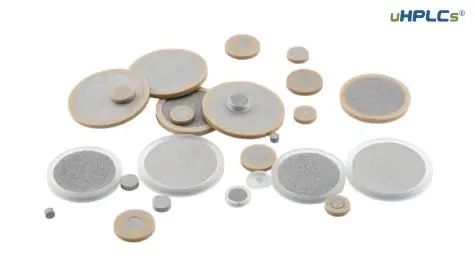
·Tubing or frit blockage: Small particles getting trapped in inlet filters or frits.
·Improper mobile phase preparation: Insoluble components forming precipitates.
Why It’s a Problem:
·A clogged system reduces separation efficiency.
·It can damage the pump and column over time.
·Analysis results may become unreliable or irreproducible.
Basic Troubleshooting Steps:
·Check system pressure and flow rates.
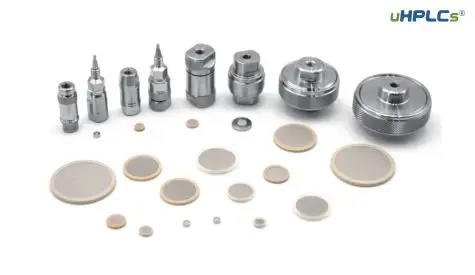
·Inspect and clean in-line filters, frits, and tubing.
·Flush the system with appropriate solvents to dissolve blockages.
·Consider replacing the column if blockage is internal.
Common Locations of Blockages
·Blockages in an HPLC system can occur at multiple points, and knowing where they are likely to happen helps with troubleshooting:
·Injector: Residues from previous samples, particulates, or precipitates can accumulate, restricting sample introduction and causing pressure spikes.
·Tubing and Fittings: Narrow connections or sharp bends in tubing can trap particles, leading to localized flow restrictions.
· Column Inlet / Guard Column: The head of the column is particularly vulnerable. Impurities in the sample or mobile phase can accumulate here, reducing separation efficiency or completely stopping flow.
·Inline Filters: These are designed to protect the system, but they can themselves become clogged by debris, precipitates, or poorly prepared solvents.
·Detector Flow Cell: Salt crystals or particulate matter can block the flow cell, affecting signal detection and chromatogram quality.
Understanding these common clog points allows for targeted maintenance and quicker problem resolution.
Common Locations of Blockages
Clogs in an HPLC system can occur at several points along the flow path. Knowing where they are most likely to form helps you troubleshoot more efficiently:
Injector
·Residues from previous samples, insoluble particulates, or precipitates can accumulate here.
·This often results in pressure spikes during injection or poor sample delivery.
Tubing and Fittings
·Narrow-bore tubing and sharp bends are prone to trapping particles.
·Localized blockages here can cause inconsistent flow rates and retention time shifts.
Column Inlet / Guard Column
·The column head is the most vulnerable spot for clogging.
·Impurities from the sample or mobile phase collect at the inlet frit, leading to backpressure increases and loss of separation efficiency.
Detector Flow Cell
·Crystallized salts or particulates may block the narrow flow cell channels.
·This can distort signals, increase baseline noise, or even prevent detection entirely.
Major Causes of Clogging
Blockages in HPLC systems are rarely random — they usually trace back to a few common causes:
·Particulate Contamination in Samples
Injecting samples that have not been properly filtered can introduce small particles into the system. These particles accumulate at the column inlet frit or in the tubing, leading to high backpressure and restricted flow.
·Mobile Phase Impurities
Dust, salts, or undissolved buffer components in the mobile phase can precipitate or crystallize, forming blockages in the pump, injector, or column. Using high-purity solvents and filtering mobile phases is crucial to avoid this.
·Column Packing Deterioration
Over time, column stationary phase particles may break down and migrate, clogging the frit or outlet. This often occurs when the column is used outside its recommended pH or pressure range.
·Precipitation of Sample Components
Some analytes are poorly soluble in the mobile phase and may precipitate, especially when switching between mobile phases of different polarities (e.g., aqueous to high organic).
·System Contamination and Carryover
Accumulated residues from previous runs—such as proteins, lipids, or polymers—can adhere to surfaces and narrow channels, gradually restricting flow.
·Improper Storage or Maintenance
Leaving buffers in the system for too long can cause salt crystallization. Likewise, inadequate flushing after runs may leave behind residues that harden and clog critical pathways.
By addressing these causes proactively, users can minimize system downtime and maintain consistent chromatographic performance.
Troubleshooting and Solutions
When clogs occur, quick and systematic troubleshooting can restore system performance:
·Filter all samples and mobile phases before use: This prevents particulates and precipitates from entering the system in the first place.
·Replace or backflush clogged guard columns and inline filters: Guard columns and filters are sacrificial components—swap them out regularly to keep the system clear.
·Flush the system with water/organic solvents: Use solvents compatible with your mobile phase to dissolve and wash away residues. Alternate between aqueous and organic solvents if necessary.
·Inspect fittings and tubing for blockages or damage: Remove and clean or replace any connections that show deposits or narrowing.
· Replace heavily contaminated or damaged analytical columns: If blockages persist after flushing, the column itself may be irreversibly clogged and should be replaced.
Preventive Measures
Prevention is always more effective than cure. To reduce the risk of clogging:
· Use high-quality solvents and proper filtration
Always prepare mobile phases with HPLC-grade solvents. Filter both solvents and samples through 0.2–0.45 µm filters to remove particulates before introduction into the system.
· Degas the mobile phase
Dissolved gases can form bubbles and disturb flow, leading to pressure fluctuations that mimic partial clogs. Use online degassers, ultrasonication, or helium sparging to ensure stable baselines.
· Employ guard columns and inline filters
Guard columns and solvent inlet filters act as sacrificial barriers, trapping impurities before they reach the analytical column. Replace these components regularly as part of routine maintenance.
· Adopt good sample preparation practices
Dilute or centrifuge viscous or complex matrices before injection. Protein precipitation, SPE (solid-phase extraction), or LLE (liquid-liquid extraction) may be required for biological or challenging samples.
· Implement a regular flushing protocol
After using buffers, always flush the system and columns with water, followed by an organic solvent (like acetonitrile or methanol). This prevents salt crystallization and residue buildup.
· Monitor pressure trends and baseline stability
Gradual backpressure increases or subtle baseline drifts can be early warning signs of clogging. Track these parameters regularly to intervene before full blockage occurs.
· Proper column storage
Never leave buffers in the column for long periods. Store columns in recommended solvents (often containing at least 50% organic modifier) to prevent microbial growth and precipitation.
· Schedule preventive maintenance
Create an SOP for periodic inspection of pump seals, injector rotors, and tubing connections. Replacing worn parts proactively reduces the risk of sudden clogs.
Follow SOPs for mobile phase preparation and column storage: Proper preparation and storage practices keep solvents stable and columns in good condition.
Conclusion
Clogging in HPLC systems is a common but preventable challenge. By recognizing early warning signs, identifying common clog points, and applying systematic troubleshooting, you can restore smooth operation quickly and minimize downtime. More importantly, adopting preventive practices—such as proper sample preparation, using guard columns, and routine system maintenance—ensures reliable results and extends the lifespan of your equipment. Staying proactive not only saves time and cost but also protects the accuracy and integrity of your chromatographic analysis.