
HPLC Method Development Guide: From Analytical Goals to Robust Methods
Practical HPLC method development from analytical goals to robust, reproducible methods you can transfer and maintain.
Building robust HPLC methods, sample solvent effects, and peak-shape control.
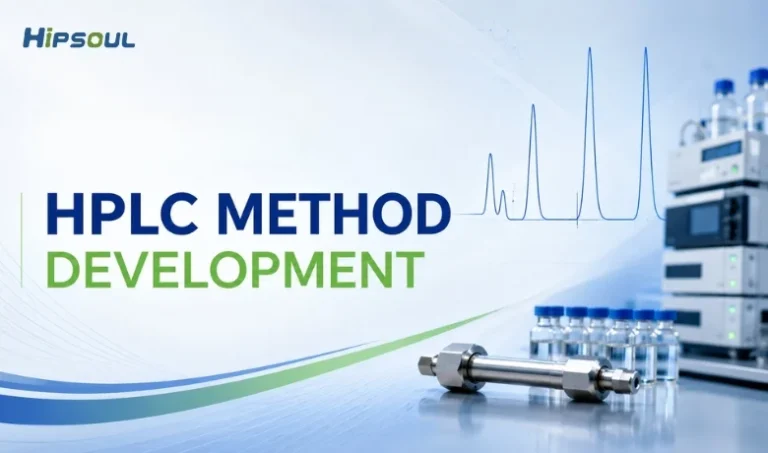
Practical HPLC method development from analytical goals to robust, reproducible methods you can transfer and maintain.
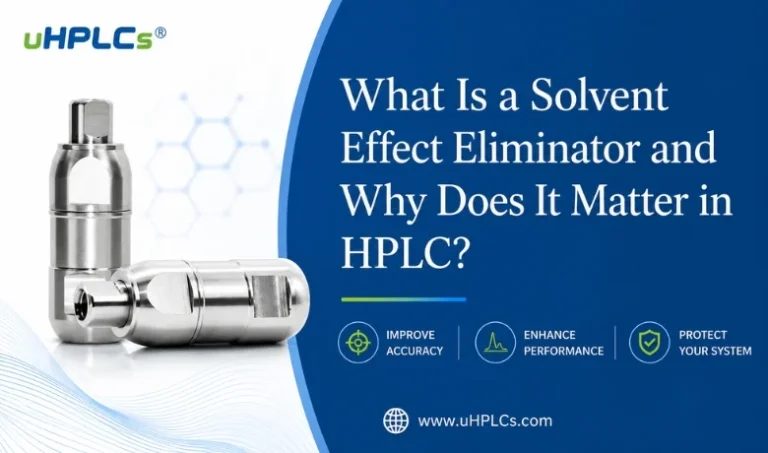
Why sample solvent often causes poor peak shape in HPLC—and how to match diluent strength to the mobile phase.
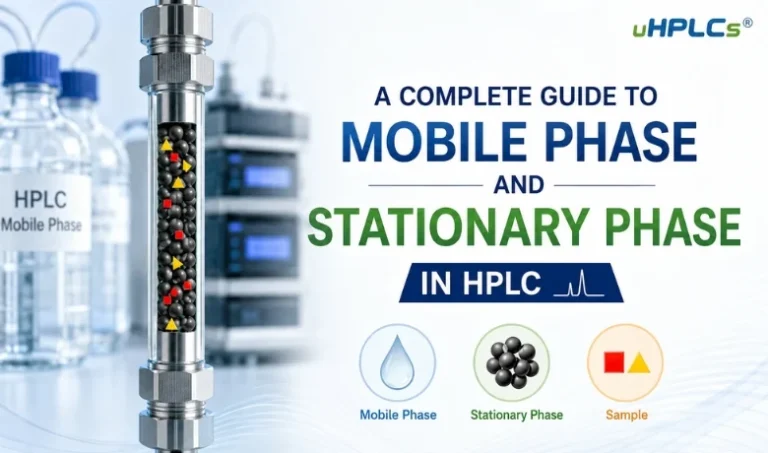
Introduction HPLC (High-performance liquid chromatography) is an essential analytical technique widely used in chemistry, biology, and environmental science to separate mixtures into their individual components. Central to its success are two phases that interact with each other in a way that allows for the separation process: the mobile phase and the stationary phase. Understanding these two…
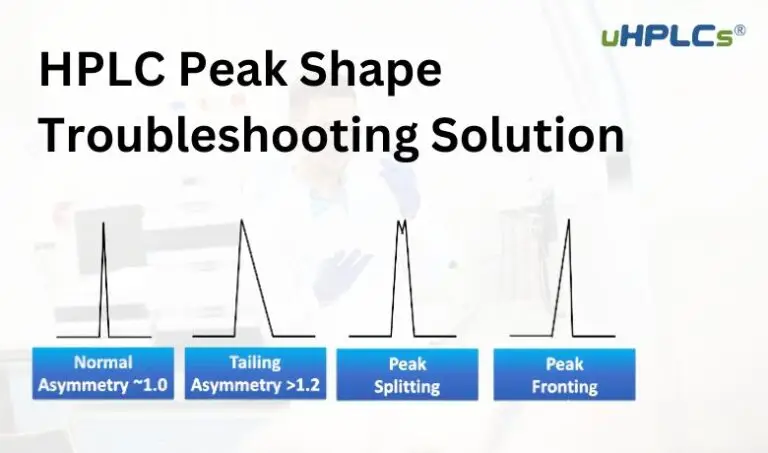
Ever wondered why those peaks on your HPLC chromatogram look a little off? Asymmetry, broadening, or even extra peaks can all be signs of trouble. These “peak shape issues” can significantly impact the accuracy and reliability of your analysis. Here’s why achieving a perfect peak shape is crucial: Clarity: Well-shaped peaks allow for clear separation…
Mobile phase composition plays a crucial role in most separations. In most cases, mobile phase is mixed of water and organic solvents. In isocratic operation the composition is pre- decided and remains unchanged during the analytical run. On the other hand in gradient elution the final solvent composition is a lot different from the initial composition…

What is the solvent effect? The solvent effect is the influence of the solvent on the physical and chemical properties of a solute. Solvents can affect a wide range of properties, including solubility, reactivity, stability, and spectroscopy. There are a number of different mechanisms by which solvents can exert their effects. One common mechanism is…

Why do HPLC mobile phase solvents need to be filtered and deaerated To answer this question, let’s first understand what a mobile phase is. Simply put, a mobile phase is a fluid in which a carrier carries a substance into and through the stationary phase. The mobile phase can be either a water-organic mixture of the…
WhatsApp us