
What Are the Most Common Applications of HPLC?
The most common HPLC applications across modern industries, with where each workflow typically starts.
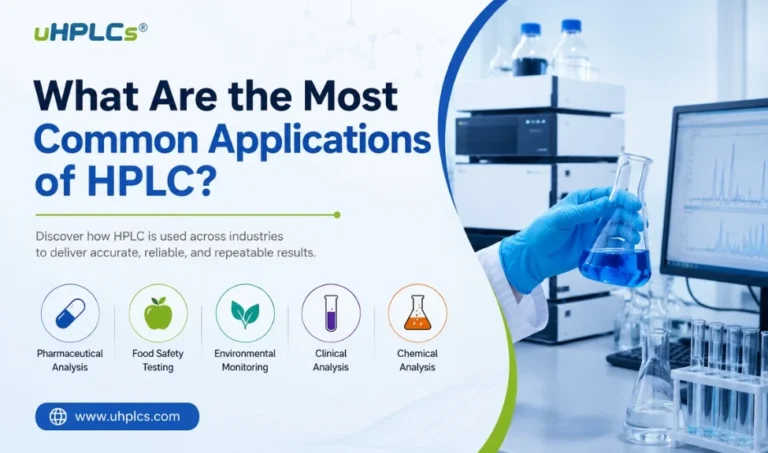
The most common HPLC applications across modern industries, with where each workflow typically starts.
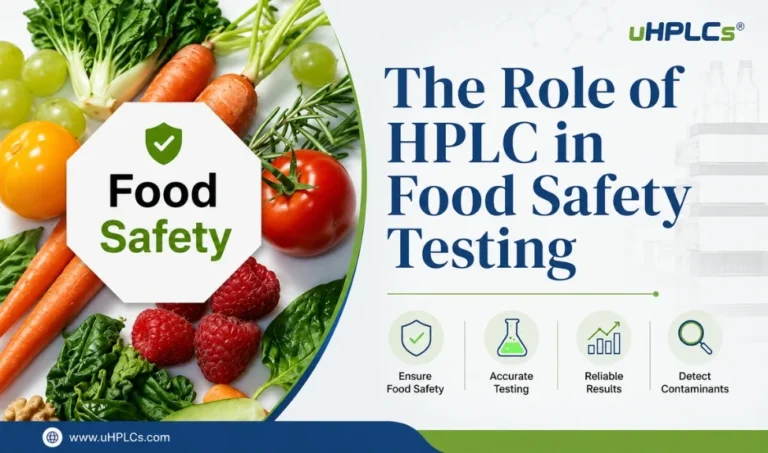
How HPLC supports food safety testing—from additives and contaminants to method choices labs rely on daily.
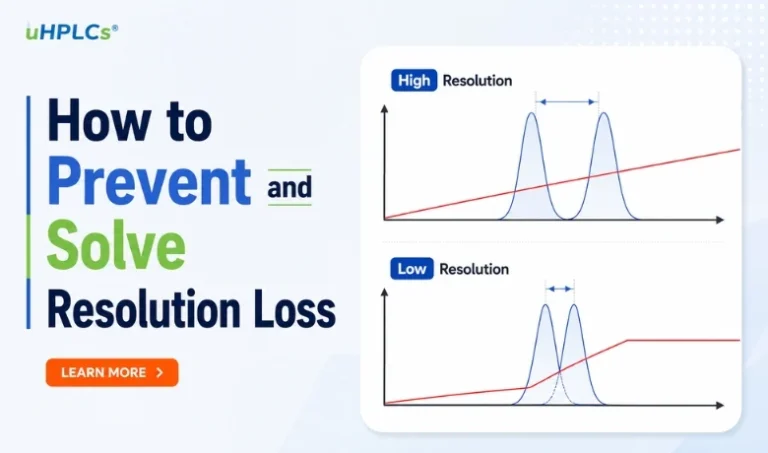
Prevent and recover HPLC resolution loss by isolating column, method, and sample-matrix causes.
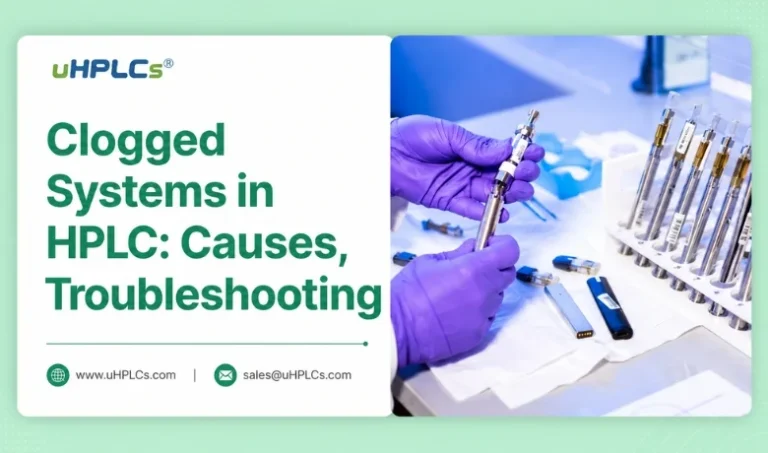
Introduction Have you ever started an HPLC run only to see the system pressure shoot up, the flow rate drop, or the baseline turn unstable? In many cases, the culprit is a clogged system. Blockages in the flow path are one of the most common issues chromatographers face. Not only do they interrupt your analysis,…
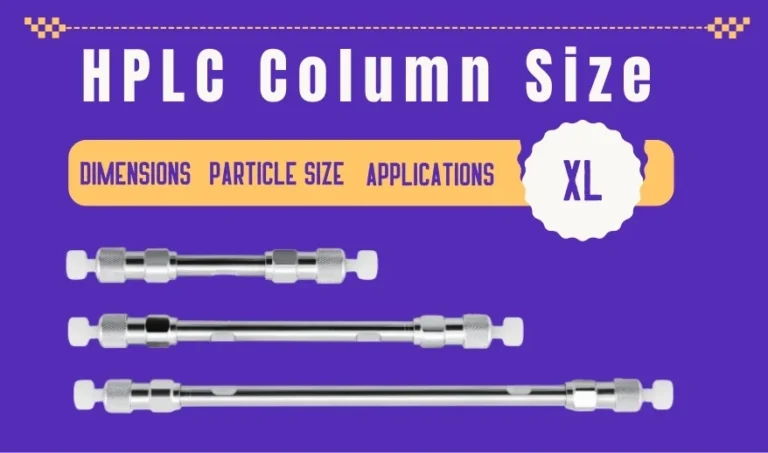
1. Introduction to HPLC Column Size High-Performance Liquid Chromatography (HPLC) is a cornerstone of modern analysis across pharmaceuticals, biotechnology, food safety, and environmental testing. At the heart of every separation is the HPLC column, and its size—length, internal diameter (ID), particle size, and pore size—directly affects resolution, sensitivity, speed, and backpressure (What is the meaning…
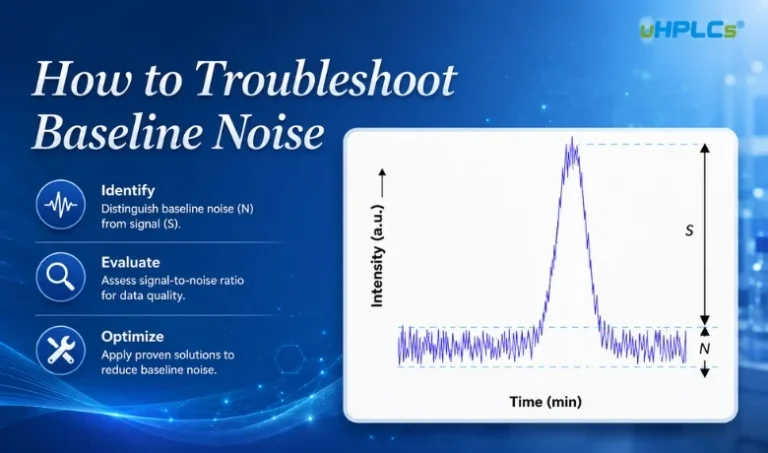
Introduction In High-Performance Liquid Chromatography (HPLC), the baseline represents the stability and reliability of your chromatographic system. A smooth and steady baseline ensures that peaks can be clearly identified and quantified with confidence. However, many analysts have faced the frustrating situation where the baseline shows irregular fluctuations, commonly referred to as baseline noise. So why…
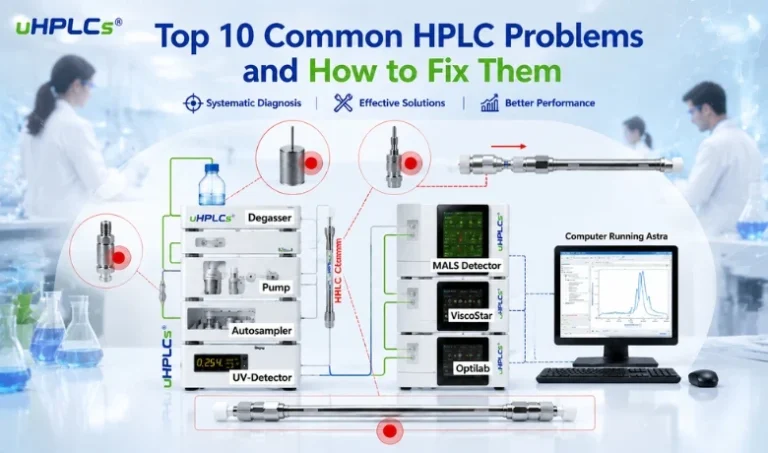
Introduction High-Performance Liquid Chromatography (HPLC) is an essential analytical technique widely used in pharmaceuticals, food safety, environmental monitoring, and other industries. Despite its robustness, even experienced operators may encounter system malfunctions or decreased column efficiency. This article outlines the 10 most common HPLC problems and provides practical solutions to help laboratory personnel troubleshoot and optimize…
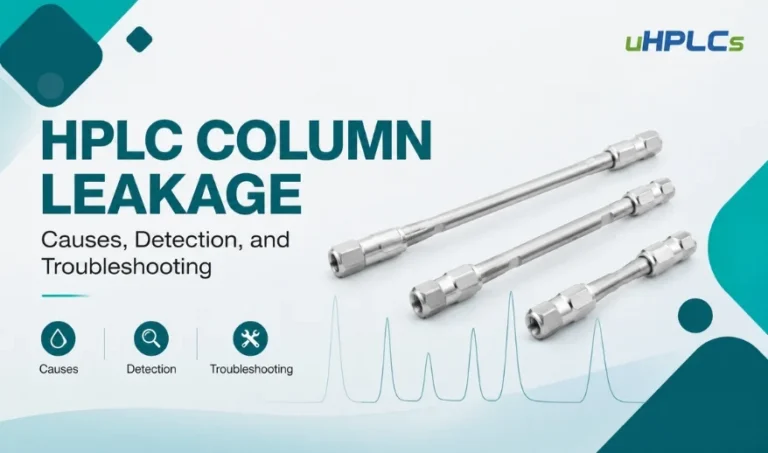
Introduction High Performance Liquid Chromatography (HPLC) is an essential analytical technique widely used in pharmaceutical, environmental, food, and chemical industries for the separation, identification, and quantification of complex mixtures. Its accuracy, sensitivity, and repeatability make it a cornerstone in modern analytical laboratories. At the heart of any HPLC system lies the column—the component responsible for…
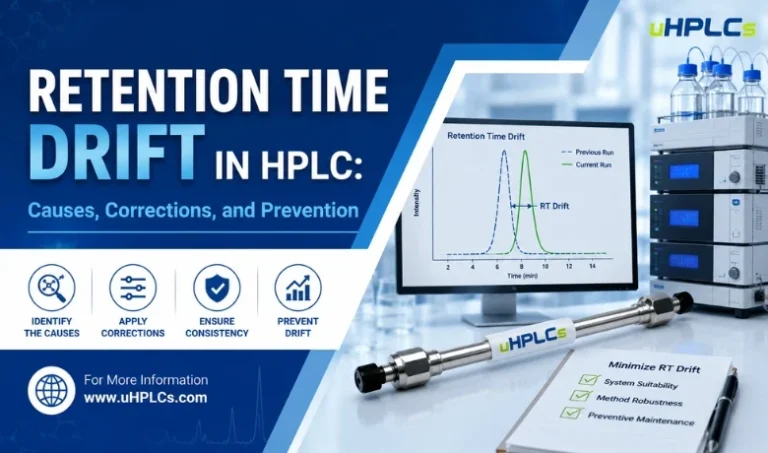
1. Introduction High-Performance Liquid Chromatography (HPLC) is a powerful and widely used analytical technique in chemistry, pharmaceuticals, environmental testing, food safety, and many other fields. It allows scientists to separate, identify, and quantify components in complex mixtures with high precision and accuracy. As a fundamental part of HPLC analysis, retention time (RT) serves as one…
In the world of analytical chemistry, chromatography plays a vital role in separating, identifying, and quantifying components in complex mixtures. Among the most widely used chromatographic techniques are Liquid Chromatography (LC) and Gas Chromatography (GC). While both aim to achieve separation and analysis, they operate on different principles and are suited for different types of…
WhatsApp us